
Alcohol-free wine has become a popular option for mothers who want the experience of wine without alcohol exposure. However, when researching ingredients in non alcoholic wine pregnancy, many people discover that the label can include more than just grapes.
Non-alcoholic wine often goes through multiple production steps such as fermentation, alcohol removal, flavor balancing, and stabilization. During these stages, winemakers may add ingredients to preserve taste, improve shelf life, or stabilize the beverage.
For pregnant women, understanding what goes into alcohol-free wine can help make informed choices. While many alcohol-free wines are considered safe alternatives, transparency about ingredients like sulfites, preservatives, and flavor additives remains important.
This article is for informational purposes only and should not replace professional medical advice. Pregnancy health decisions should always be discussed with your doctor, OB-GYN, or healthcare provider. If you have questions about ingredients in non alcoholic wine pregnancy or alcohol-free beverages during pregnancy, consult your healthcare professional before making dietary choices.
How Non-Alcoholic Wine Is Made
To understand ingredient labels, it helps to first understand how alcohol-free wine is produced. Most alcohol-free wines begin as traditional wine made from fermented grapes.
Once fermentation is complete, the alcohol is removed through one of several methods:
- Vacuum distillation
- Reverse osmosis filtration
- Spinning cone technology
These techniques remove alcohol while preserving aroma compounds and flavor molecules. However, removing alcohol can also affect balance and body, which sometimes leads producers to adjust the beverage with additional ingredients.
Common Ingredients Found in Alcohol-Free Wine
When reading labels related to ingredients in non alcoholic wine pregnancy, several components may appear regularly. Not all of these are harmful, but understanding their purpose helps consumers make informed choices.
1. Sulfites
Sulfites are commonly used preservatives in wine. They help prevent oxidation and maintain flavor stability during storage and transportation.
Most wines, including alcohol-free versions, contain naturally occurring sulfites from fermentation as well as small added amounts for preservation. Some individuals are sensitive to sulfites, which is why labels often mention their presence.
2. Natural Flavor Compounds
Removing alcohol can slightly reduce aroma intensity. To restore balance, some producers add natural grape extracts or botanical flavor compounds that enhance the wine’s aroma profile.
3. Stabilizers and Acidity Regulators
Acids such as tartaric acid or citric acid help maintain the correct balance between sweetness and acidity. These are naturally present in grapes but may be adjusted slightly after dealcoholization.
4. Preservatives
Certain alcohol-free wines use mild preservatives to maintain freshness and shelf stability. These ingredients are typically used in very small quantities.
Clean Label vs Additive-Heavy Wines
Many consumers today prefer beverages with simpler ingredient lists. In the alcohol-free wine market, some brands emphasize minimal processing and clean-label transparency.
| Feature | Clean Label Wines | Heavily Processed Alternatives |
|---|---|---|
| Ingredient Transparency | Clear and simple labeling of ingredients | Less detailed or unclear ingredient disclosure |
| Additives | Minimal use of additives | Often includes stabilizers and flavor agents |
| Production Approach | Focused on organic or natural methods | Designed to reconstruct flavor through processing |
Alcohol-Free Wines with Transparent Ingredients
Several alcohol-free wine producers focus on transparency and ingredient clarity. The following examples are popular choices for mothers researching ingredients in non alcoholic wine pregnancy.
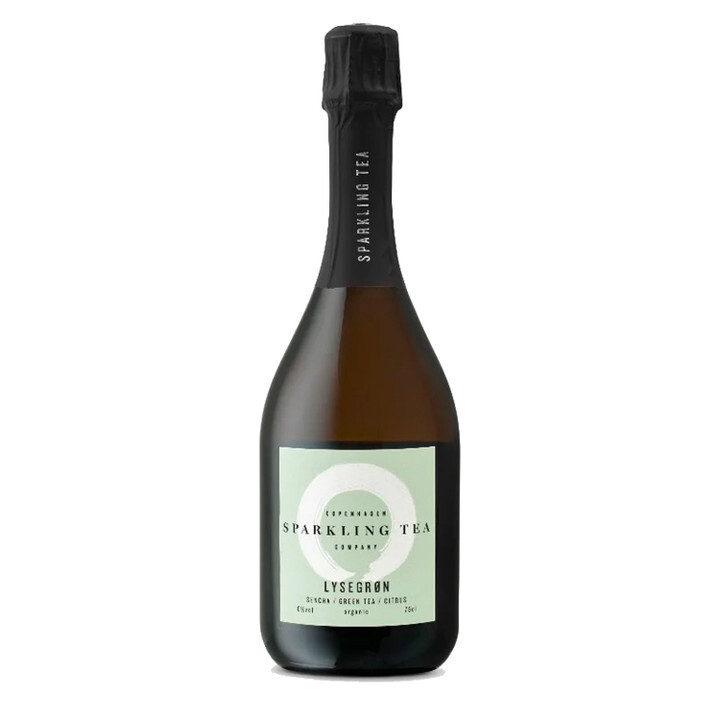
Copenhagen Sparkling Tea LYSEGRØD
Unlike traditional wine, Copenhagen Sparkling Tea is crafted from organic teas and botanical ingredients rather than fermented grapes. This results in a sparkling beverage with delicate floral and berry notes.
For mothers studying ingredients in non alcoholic wine pregnancy, this tea-based alternative offers a unique option with simple ingredient transparency.
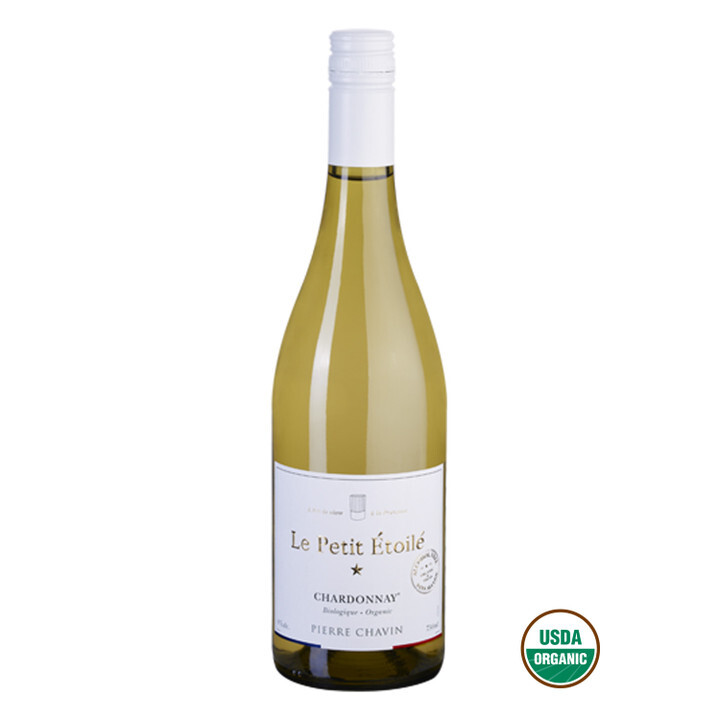
Le Petit Étoilé Chardonnay
This French alcohol-free Chardonnay preserves the crisp flavor of white grapes while removing alcohol through gentle filtration techniques.
Many mothers researching ingredients in non alcoholic wine pregnancy appreciate wines like this because they maintain grape authenticity with minimal flavor additives.
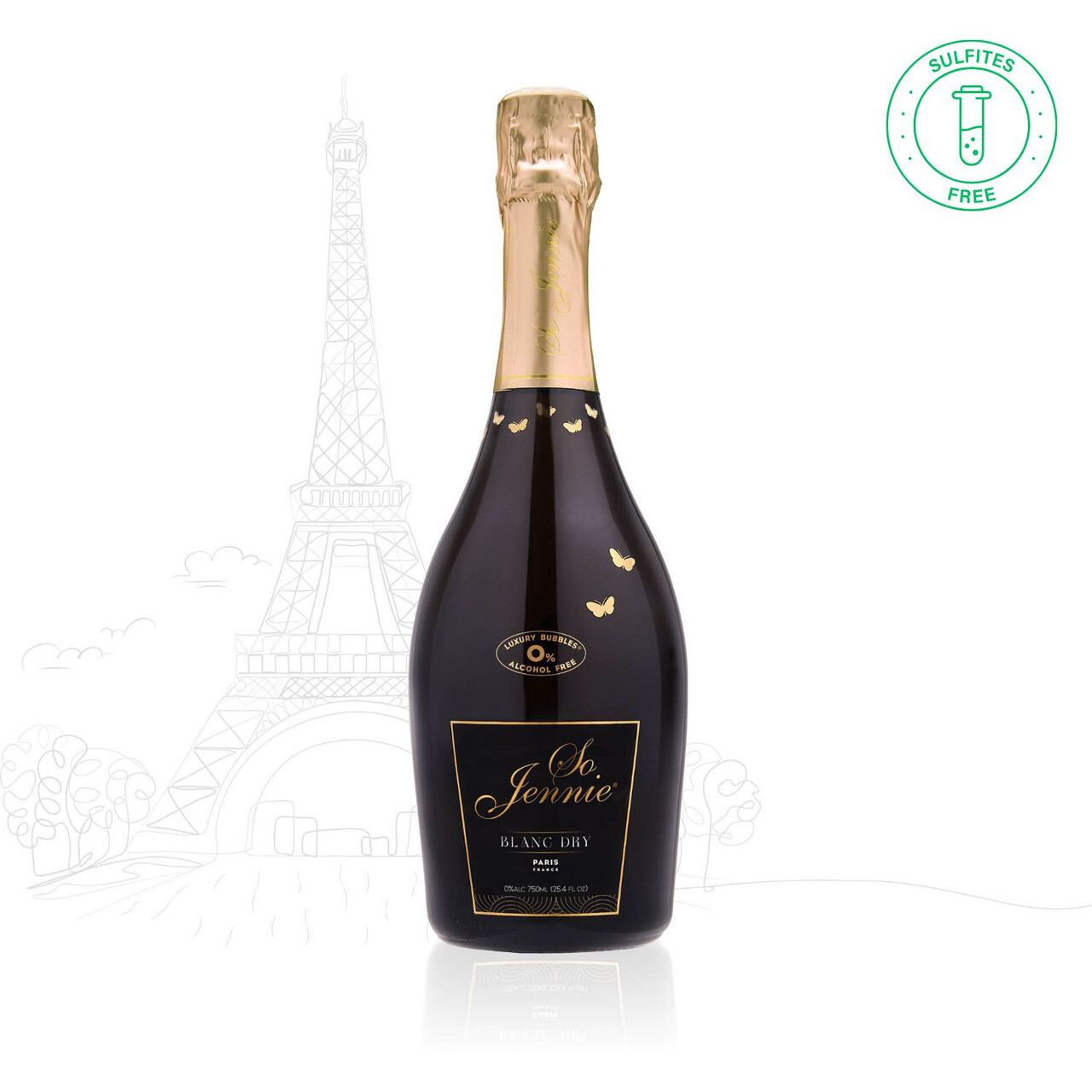
So Jennie Paris Blanc Dry
So Jennie Paris Blanc Dry is a premium alcohol-free sparkling beverage made from grape must and natural fermentation techniques without alcohol formation.
Expecting mothers exploring ingredients in non alcoholic wine pregnancy often appreciate products that emphasize natural grape flavor rather than heavy additive use.

Noughty Organic Sparkling Chardonnay
Noughty Organic Sparkling Chardonnay is produced from organically grown grapes and undergoes a dealcoholization process that preserves flavor while removing alcohol.
For readers studying ingredients in non alcoholic wine pregnancy, organic production often provides an additional layer of confidence regarding ingredient sourcing.
Tips for Reading Non-Alcoholic Wine Labels
If you are pregnant and reviewing alcohol-free wines, these tips may help simplify ingredient evaluation:
- Look for wines labeled 0.0% alcohol
- Check for clear ingredient disclosure
- Prefer brands that emphasize organic grapes
- Be aware of sulfite sensitivity
- Consult your doctor for personalized guidance
Key Takeaways
- Alcohol-free wine may contain additional ingredients beyond grapes.
- Sulfites, acidity regulators, and natural flavor compounds are common.
- Choosing transparent brands helps build trust.
- Many alcohol-free wines focus on organic or clean-label production.
- Always consult your doctor before making dietary choices during pregnancy.
Frequently Asked Questions
Are sulfites safe during pregnancy?
Most people tolerate sulfites well, but individuals with sensitivities may experience reactions. Always review ingredient labels and consult your healthcare provider if unsure.
Do alcohol-free wines contain preservatives?
Some alcohol-free wines use small amounts of preservatives to maintain freshness and stability.
Is alcohol-free wine healthier than regular wine during pregnancy?
Alcohol-free wine removes the alcohol component, which is the primary concern during pregnancy.
Can I drink alcohol-free wine every day while pregnant?
Moderation and medical guidance are recommended. Discuss dietary choices with your doctor for personalized advice.