You're scanning the wine aisle for something cleaner — fewer chemicals, no synthetic pesticides, maybe an “organic” label — and a question stops you: is organic wine actually alcohol-free? The word “organic” sounds so healthy, so pure, that it's easy to assume it also means no alcohol.
Here's the honest answer up front: no — “organic” and “alcohol-free” are two completely different things. Most organic wine is fully alcoholic. But the good news is that organic and alcohol-free wines absolutely exist — and for pregnant or health-conscious moms, they're the best of both worlds. Let's clear up the confusion.
No, organic wine is not automatically alcohol-free. “Organic” refers to how the grapes are grown (without synthetic pesticides or fertilizers) — it says nothing about alcohol content. Most organic wine is fully alcoholic. However, you can find wines that are both organic and 0.0% ABV — organically grown grapes with the alcohol removed — which is the ideal choice during pregnancy. Shop certified organic 0.0% wines at Wines for Mothers.
What Does “Organic” Actually Mean on a Wine?
“Organic” is all about how the grapes are farmed — not about alcohol. A certified organic wine is made from grapes grown without synthetic pesticides, herbicides, or chemical fertilizers, and it's typically made with minimal additives (often lower or no added sulfites, depending on certification).
So organic is a farming and production standard. It tells you the grapes were grown cleanly and the winemaking kept additives to a minimum. What it does not tell you is whether the finished wine contains alcohol — and by default, most organic wine is fermented to a full 12–14% ABV, just like conventional wine.
“Organic,” “biodynamic,” “natural,” and “vegan” are all production labels — they describe how a wine is grown or made, not its alcohol content. A wine can be all four of those things and still be fully alcoholic. Only “0.0% ABV” or “alcohol-free” tells you about the alcohol.
Organic vs Alcohol-Free: Two Different Labels
Here's the clearest way to see it — these terms answer two entirely separate questions:
| Label | What it tells you | What it does NOT tell you |
|---|---|---|
| Organic | How the grapes were grown (no synthetic chemicals) | Whether it contains alcohol |
| 0.0% ABV / Alcohol-Free | That there's no measurable alcohol | How the grapes were farmed |
| Organic + 0.0% | Both: clean grapes and no alcohol | — the best of both worlds |
This is why a wine can proudly say “organic” and still be a full-strength 13% ABV. To be safe during pregnancy, you need to look past “organic” and check for the phrase that actually matters: 0.0% ABV. For more on that, see our guides on the difference between 0.0% and 0.5% and whether non-alcoholic wines are truly alcohol-free.
The Best of Both: Organic AND 0.0% Wine
Now the good news. You don't have to choose between “clean” and “alcohol-free” — wines that are both organic and 0.0% ABV exist. These start as organically grown, fermented wine, then have the alcohol gently removed — so you get organically farmed grapes and zero alcohol.
For a pregnant or health-conscious mom, this is genuinely the ideal glass: no synthetic pesticides in the growing, no alcohol in the bottle. Pair that with low calories and minimal sugar, and it's about as clean as wine gets. (If sulfites are also a concern, some of these are sulfite-free too — see our guide to sulfite-free non-alcoholic wines.)
Certified Organic 0.0% Wines to Try
These verified 0.0% ABV wines are made from organically grown grapes — clean farming, zero alcohol.

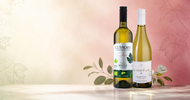
Lussory Premium Organic Chardonnay (0.0% ABV White, Spain)
Made from organically grown Chardonnay grapes in Spain — crisp green apple, pear, and citrus with a creamy finish. Certified Halal and vegan, low in calories (~17 per 100ml), and completely 0.0% ABV. A clean, elegant everyday white.
Shop Lussory Organic Chardonnay
Le Petit Étoile Chardonnay (0.0% ABV White, France)
The cleanest of the clean: made from organic French grapes and sulfite-free, plus vegan and Halal-certified. Crisp peach, citrus, and floral notes. If you want organic and sulfite-free and alcohol-free, this is the bottle.
Shop Le Petit Étoile ChardonnayTry the organic alcohol-free sampler — a curated set of organic 0.0% reds, whites, and sparkling from Spain and France — or browse all certified organic alcohol-free wines.
How to Choose an Organic Alcohol-Free Wine
Three quick checks to get both — clean grapes and zero alcohol:
✅ Confirm “0.0% ABV” first. This is the non-negotiable one for pregnancy. “Organic” alone doesn't guarantee it — look for the 0.0% specifically.
✅ Look for organic certification. A certified-organic label (or clear “organically grown grapes” wording) tells you the farming was clean. Brands like Lussory and Le Petit Étoile make certified organic 0.0% options.
✅ Check sulfites & sugar if you're sensitive. Some organic 0.0% wines are also sulfite-free and low-sugar — see certified organic options and our guide on how to choose pregnancy-safe wines. Nursing? See the best wines for nursing mothers.
Key Takeaways
- ✔ No — organic wine is not automatically alcohol-free. Most organic wine is fully alcoholic.
- ✔ “Organic” describes how the grapes were grown; “0.0% ABV” describes the alcohol content — two different things.
- ✔ Wines that are both organic and 0.0% ABV exist — the ideal clean, pregnancy-safe choice.
- ✔ Always confirm “0.0% ABV” on the label; “organic” alone doesn't guarantee it.
- ✔ Lussory Organic Chardonnay and Le Petit Étoile are certified organic 0.0% options.
- ✔ Use code TAKE15 for 15% off your first order at Wines for Mothers.
FAQs — Organic & Alcohol-Free Wine
Is organic wine alcohol-free?
No. “Organic” refers to how the grapes are grown — without synthetic pesticides or fertilizers — not to alcohol content. Most organic wine is fully alcoholic. To be alcohol-free, a wine must specifically be labeled 0.0% ABV.
Can a wine be both organic and 0.0% ABV?
Yes. Some wines are made from organically grown grapes and then have the alcohol removed, so they're both organic and 0.0% ABV. These are an ideal clean, pregnancy-safe choice — for example, Lussory Organic Chardonnay or Le Petit Étoile.
What's the difference between organic and non-alcoholic wine?
Organic describes clean farming (no synthetic chemicals); non-alcoholic describes low or no alcohol. They're separate qualities — a wine can be organic but alcoholic, non-alcoholic but not organic, or both at once.
Is organic non-alcoholic wine better for pregnancy?
A wine that's both organic and verified 0.0% ABV is an excellent pregnancy choice — clean, organically farmed grapes with no alcohol. The most important factor for pregnancy is the 0.0% ABV; organic is a healthy bonus.
Does organic wine have fewer sulfites?
Often, yes. Certified organic wines typically use lower or no added sulfites, though it varies by certification and brand. If sulfites are a concern, look for wines specifically labeled sulfite-free, such as Le Petit Étoile.
Is organic 0.0% wine safe while breastfeeding?
Yes. Any verified 0.0% ABV wine contains no alcohol, so it won't affect breast milk and is safe while nursing — and an organic one adds the bonus of cleanly farmed grapes.
Final Thoughts
“Organic” is a wonderful thing to look for — but it's not the same as “alcohol-free.” One tells you how the grapes were grown; the other tells you what's in your glass. For pregnancy, the phrase that matters most is always 0.0% ABV.
The best part? You don't have to pick just one. Wines that are both organic and 0.0% give you clean farming and zero alcohol — the purest way to enjoy the ritual of wine while you're expecting. Explore our certified organic 0.0% collection or browse the full shop for moms.
Related Reading
- Are Non-Alcoholic Wines Truly Alcohol-Free?
- Sulfite-Free Non-Alcoholic Wines
- Difference Between 0.0% and 0.5% Zero-Proof Wine
- Lussory Non-Alcoholic Wines: Pure Taste from Spain
- Is Non-Alcoholic Wine Safe During Pregnancy?
- Best Non-Alcoholic White Wines for Pregnancy
- How to Choose Pregnancy-Safe Wines
- Best Non-Alcoholic Wine Brands to Try