
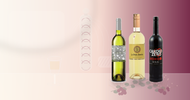
You've seen the words on the label — dealcoholized, alcohol-removed, 0.0% ABV — and somewhere between the wine aisle and the checkout, a perfectly reasonable question popped into your head: what does “dealcoholized” actually mean, and is it safe for me?
It's a great question, and one that matters more than ever when you're pregnant, nursing, or simply choosing to skip the alcohol. Because here's the thing most labels won't tell you plainly: “dealcoholized” and “0.0%” are not always the same thing.
This guide explains exactly how dealcoholized wine is made, the real difference between “dealcoholized” and “alcohol-free,” whether it's safe in pregnancy, and how to read a label with total confidence. No jargon, no fluff — just clear answers from a team that works with these wines every single day.
Dealcoholized wine is real wine that has been fermented normally and then had its alcohol gently removed using methods like the spinning cone column, vacuum distillation, or reverse osmosis. The result keeps wine's flavor and aroma while removing most or all of the alcohol. Note: “dealcoholized” legally allows up to 0.5% ABV, while “0.0% ABV” means no alcohol at all — the safest choice in pregnancy. Every wine at Wines for Mothers is verified 0.0% ABV.
What Is Dealcoholized Wine?
Dealcoholized wine starts life as ordinary wine. Grapes are harvested, pressed, and fermented into a full-strength wine — tannins, aromas, acidity and all. Then, instead of bottling it, producers take one extra step: they remove the alcohol using specialized technology, leaving the flavor behind.
That's the key difference from grape juice or a simple mocktail. Dealcoholized wine has actually been wine. It went through fermentation, developed real complexity, and only afterward had the ethanol stripped out. That's why a good dealcoholized red can still taste structured and grown-up, not just sweet. (Curious how it compares? See our guide on non-alcoholic wine vs grape juice.)
The first patented method for removing alcohol from wine was developed by Carl Jung (the winemaker, not the psychologist) in Germany in the early 1900s. Today, dealcoholization has grown into a multi-billion-dollar global industry — and modern techniques are so refined that zero-alcohol wines now win gold medals against their full-strength counterparts.
How Is Dealcoholized Wine Made? The 3 Main Methods
There are three proven ways to remove alcohol from wine. Each has the same goal — take out the ethanol while keeping as much flavor and aroma as possible — but they get there differently.
1. Spinning Cone Column (SCC)
The gold standard for premium dealcoholized wine. The spinning cone column is a tall stainless-steel column filled with around 40 alternating rotating and stationary cones. It works in two gentle passes:
- Pass 1 (~28°C): The wine spins into a thin film and its delicate aroma compounds are captured and stored separately.
- Pass 2 (~38°C): The alcohol is removed under vacuum at low temperature.
- Finish: The captured aromas are added back in, restoring much of the original character.
Because it runs at low temperatures (and takes only 20–25 seconds of contact time), SCC preserves flavor beautifully — which is why it's used for many of the finest 0.0% wines.
2. Vacuum Distillation
The oldest method, refined over a century. Wine is heated in a vacuum, which lowers the boiling point of alcohol so it evaporates at around 35°C — warm enough to remove ethanol, but not so hot that it “cooks” the wine. The alcohol vapor is collected separately, leaving dealcoholized wine behind.
3. Reverse Osmosis (RO)
A membrane method. Wine is pushed under high pressure through a semi-permeable filter that separates the alcohol and water from the larger flavor and color molecules. The alcohol is then removed and the flavorful concentrate is recombined — all at low temperature, which protects delicate compounds.
All three methods start with real wine and gently remove the alcohol. The best producers focus on capturing and restoring aroma — that's the difference between a flat dealcoholized wine and a genuinely delicious one. Want the full walkthrough? Read how non-alcoholic wines are made.
Dealcoholized vs Alcohol-Free vs 0.0%: The Difference That Matters
This is the part the labels rarely make clear — and it matters most for pregnant and nursing moms.
| Term | What it usually means | Alcohol content |
|---|---|---|
| Dealcoholized | Fermented wine with alcohol removed | Up to 0.5% ABV may remain |
| Alcohol-free / Non-alcoholic | Varies by country & label | Often ≤0.5%, sometimes 0.0% |
| 0.0% ABV | No measurable alcohol at all | 0.0% — the safest standard |
Here's the takeaway: a wine can be labeled “dealcoholized” or even “non-alcoholic” and still legally contain up to 0.5% ABV — a small trace, but a trace nonetheless. Only 0.0% ABV means truly zero. For a deeper breakdown, read our full guide on the difference between 0.0% and 0.5% zero-proof wine and alcohol-free vs dealcoholized wine.
This is exactly why, at Wines for Mothers, every single product is verified 0.0% ABV — we made the decision simple so you never have to second-guess a label.
Is Dealcoholized Wine Safe During Pregnancy?
The honest, evidence-based answer: 0.0% ABV wine is considered safe; trace-alcohol (0.5%) products are best avoided.
The American College of Obstetricians and Gynecologists (ACOG) and the American Pregnancy Association agree there is no established safe amount of alcohol during pregnancy. The CDC notes that fetal alcohol spectrum disorders are 100% preventable when alcohol is avoided entirely.
So the safest path is straightforward: choose verified 0.0% ABV, not just “dealcoholized.” If a bottle doesn't clearly state 0.0%, treat it as potentially containing a trace. For the complete picture, see our pillar guide: Is Non-Alcoholic Wine Safe During Pregnancy?
Research CornerThe trace alcohol and sugar found in true 0.0% wine is comparable to what occurs naturally in everyday foods like ripe bananas, bread, and fruit juice. A 2020 review in the BMJ concluded the safest choice in pregnancy is zero alcohol — which is precisely why a verified 0.0% bottle, with no measurable ethanol, gives you the full ritual of wine with none of the risk.
Does Dealcoholized Wine Taste Like Real Wine?
More than ever before — and it comes down to that aroma-capture step. Older dealcoholized wines could taste flat because the process stripped out the very compounds that make wine smell and taste like wine. Modern low-temperature methods (especially the spinning cone column) capture those aromas and put them back, so today's best bottles have real structure, fruit, and finish.
The experience also depends on style. A crisp non-alcoholic white tends to feel bright and refreshing, a non-alcoholic red offers smoother, rounder depth, and a non-alcoholic rosé sits somewhere in between. Sparkling fans get the full celebratory fizz of 0.0% sparkling wine without compromise.
Want recommendations by style? Explore our guides to the best red wine for pregnancy, the elegant top non-alcoholic French wines, value-focused Spanish options from Lussory, and budget vs luxury non-alcoholic wines. Planning a celebration? See ideas for a baby shower or browse the full shop for moms.
Great 0.0% Dealcoholized Wines to Try
If you want to taste what modern dealcoholization can do, these verified 0.0% bottles are a perfect starting point.
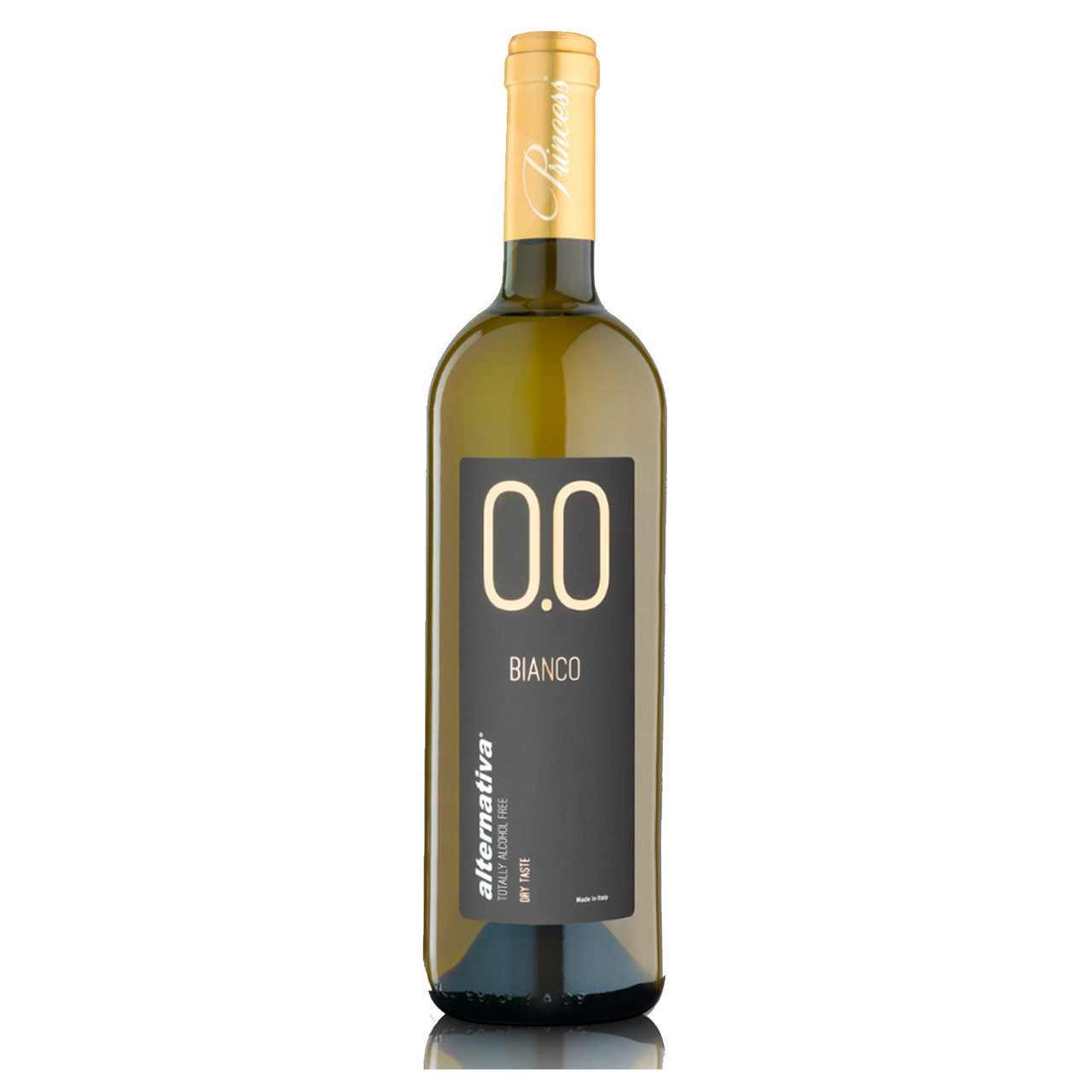
Princess Alternativa Bianco Dry (0.0% ABV White, Italy)
A beautifully dealcoholized Italian white — crisp and refreshing, with delicate floral notes and a hint of honey. Fermented traditionally then gently dealcoholized, it's a great everyday example of how 0.0% can still feel like real wine.
Shop Princess Bianco Dry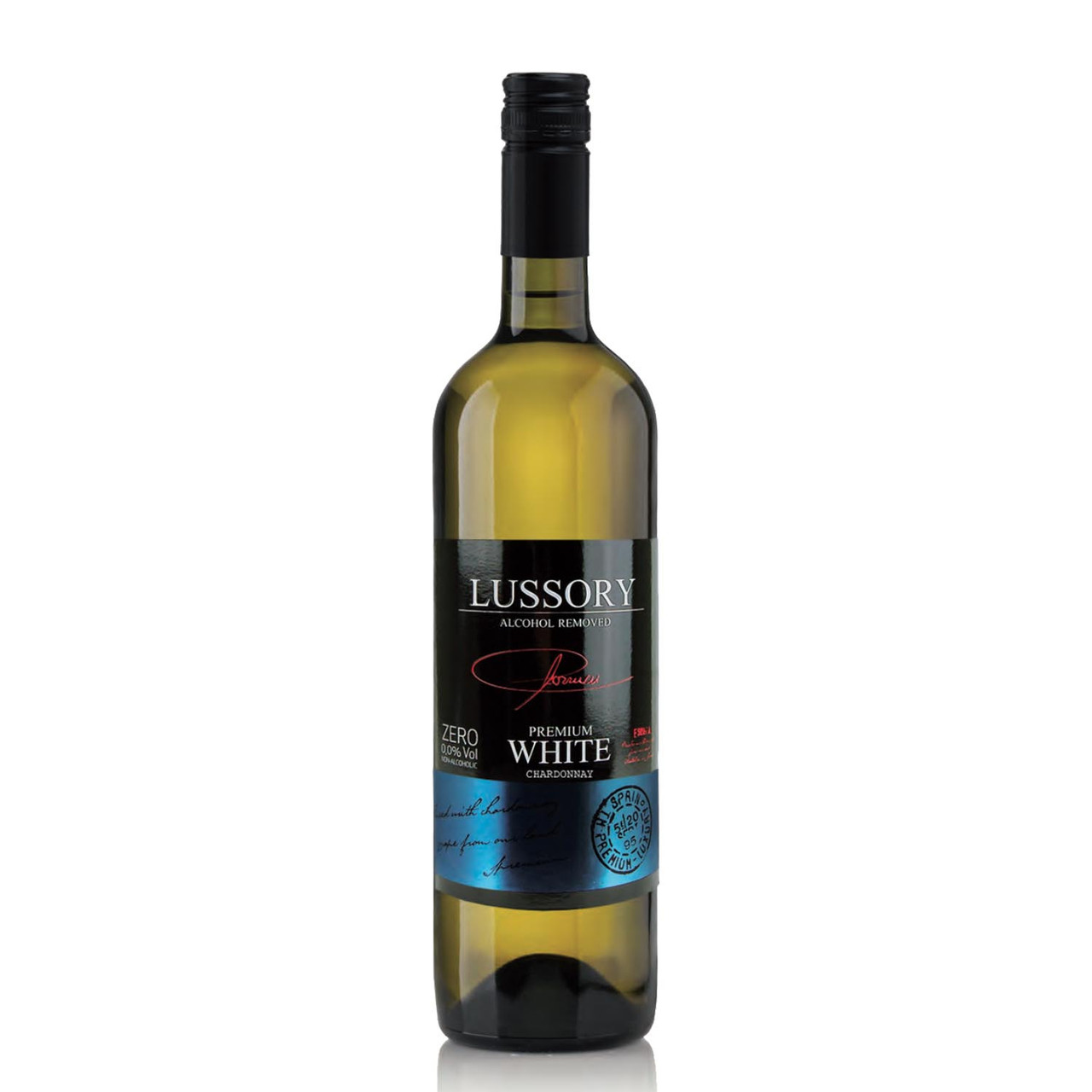
Lussory Premium Chardonnay (0.0% ABV White, Spain)
A full-bodied dealcoholized Chardonnay with crisp apple, citrus, and a touch of vanilla. A smooth, refreshing example of how much character a 0.0% white can keep — with an organic version available too.
Shop Lussory Chardonnay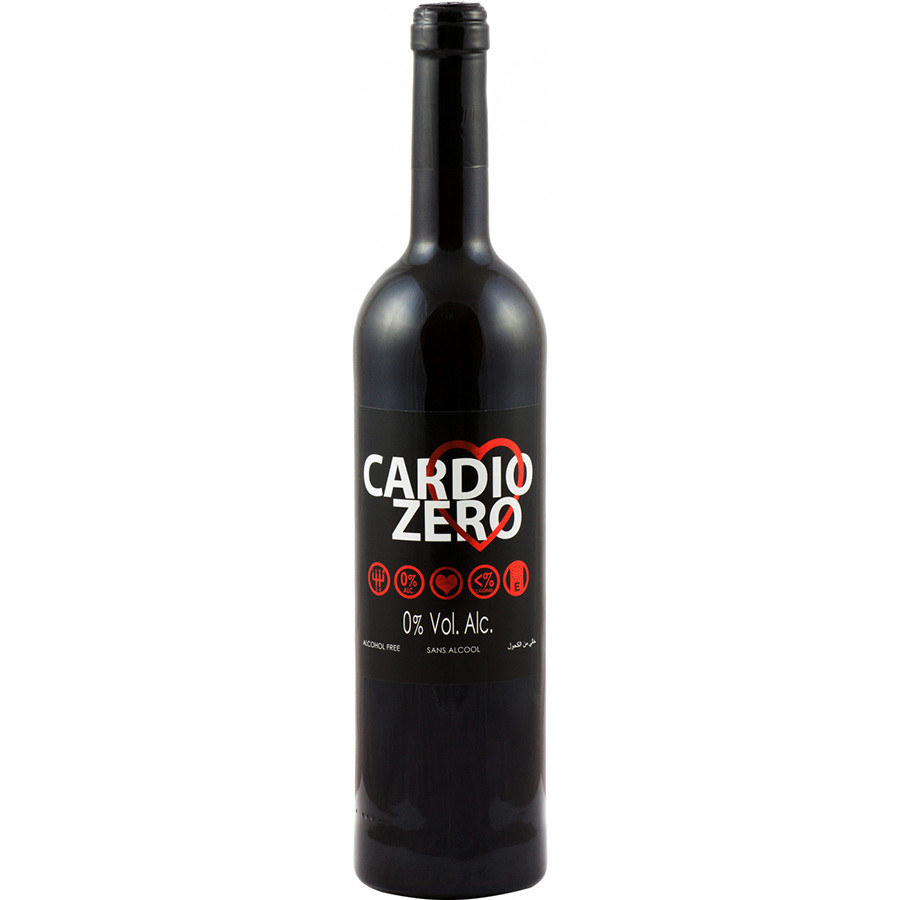
Elivo Cardio Zero Red (0.0% ABV Red, Spain)
A smooth, balanced dealcoholized red at a friendly everyday price — perfect for proving that 0.0% red can still feel rich and satisfying with dinner.
Shop Elivo Cardio ZeroStart with a sampler set — you'll taste several dealcoholized styles (red, white, rosé, sparkling) before choosing a full bottle. Try the organic sampler or the sulfite-free sampler.
How to Read a Non-Alcoholic Wine Label
Three quick checks before you buy — especially during pregnancy:
✅ Look for “0.0% ABV.” This is the only phrase that guarantees zero alcohol. “Dealcoholized” or “<0.5%” means a trace may remain.
✅ Check for added sugar & sulfites. If you're sensitive, seek out sulfite-free options or certified organic wines.
✅ Buy from a specialist. A shop that focuses on 0.0% (like us) does the label-reading for you. See how to choose pregnancy-safe wines, and if you're nursing, our guide to the best wines for nursing mothers. You can also browse everything by wine type or explore non-alcoholic reds and whites.
Key Takeaways
- ✔ Dealcoholized wine is real fermented wine with the alcohol removed — not grape juice or a mocktail.
- ✔ The three main methods are spinning cone column, vacuum distillation, and reverse osmosis — all low-temperature to protect flavor.
- ✔ “Dealcoholized” can legally contain up to 0.5% ABV; only “0.0% ABV” means truly zero.
- ✔ For pregnancy and nursing, choose verified 0.0% ABV — the safest standard.
- ✔ Every wine at Wines for Mothers is verified 0.0% ABV, so you never have to decode a label.
- ✔ Use code TAKE15 for 15% off your first order.
FAQs — Dealcoholized Wine
What does dealcoholized wine mean?
Dealcoholized wine is wine that was fermented normally and then had its alcohol removed using methods like the spinning cone column, vacuum distillation, or reverse osmosis. It keeps wine's flavor and aroma while removing most or all of the alcohol.
Is dealcoholized wine the same as 0.0% wine?
Not always. “Dealcoholized” can legally contain up to 0.5% ABV, while “0.0% ABV” means no measurable alcohol at all. For pregnancy, look specifically for 0.0%.
How is the alcohol removed from wine?
The three main methods are the spinning cone column (low-temperature vacuum distillation with aroma recovery), vacuum distillation (heating under reduced pressure), and reverse osmosis (filtering through a membrane). All aim to remove alcohol while preserving flavor.
Is dealcoholized wine safe during pregnancy?
Verified 0.0% ABV wine is considered safe during pregnancy because it contains no alcohol. Products labeled only “dealcoholized” may contain up to 0.5% ABV and are best avoided unless they clearly state 0.0%.
Does dealcoholized wine taste like regular wine?
Modern dealcoholized wines taste much closer to regular wine than older versions, thanks to low-temperature methods that capture and restore aroma compounds. Premium 0.0% wines offer real structure, fruit, and finish.
Does dealcoholized wine have sugar?
It varies by brand. Some dealcoholized wines contain natural or added sugar, while others are very low or have no added sugar. Always check the label if sugar is a concern.
Can you get drunk from dealcoholized wine?
No. Even 0.5% dealcoholized wine has too little alcohol to cause intoxication, and 0.0% wine contains none at all. The trace in some products is comparable to what's naturally found in ripe fruit and bread.
Final Thoughts
Dealcoholized wine is one of the quiet success stories of modern winemaking — real wine, real flavor, with the alcohol gently engineered out. Understanding how it's made (and what the labels really mean) puts you in control of every choice you make.
And the rule to remember is beautifully simple: when in doubt, choose 0.0% ABV. That one number takes all the guesswork out — especially when you're growing a little one. Pour with confidence; you've earned the ritual. Not sure where to begin? Compare the best non-alcoholic wine brands or start with a sampler set.
Related Reading
- Is Non-Alcoholic Wine Safe During Pregnancy?
- Difference Between 0.0% and 0.5% Zero-Proof Wine
- Alcohol-Free vs Dealcoholized Wine: 5 Differences
- How Non-Alcoholic Wines Are Made: The Process
- Non-Alcoholic Wine vs Grape Juice: Key Differences
- Best Non-Alcoholic Wine Brands to Try
- How to Choose Pregnancy-Safe Wines
- Best Non-Alcoholic Wines for Pregnancy