
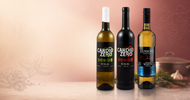
A recipe calls for “1 cup dry white wine.” You're pregnant, or you simply don't keep alcohol in the house — and you're standing at the stove wondering: can I just use non-alcoholic wine instead?
The short answer is yes — and often it's the closest substitute you'll find, because it is wine, just without the alcohol. But there's a little nuance to getting it right: which dishes it shines in, how it behaves differently from regular wine, and when another swap might work better. Here's the honest, practical guide from a team that works with 0.0% wine every day.
Yes, you can cook with non-alcoholic wine — it's one of the closest substitutes for regular wine because it keeps wine's acidity, aroma, and flavor without the alcohol. Use a dry 0.0% white or red in place of the wine a recipe calls for, roughly 1:1. Because non-alcoholic wine is often slightly sweeter and won't reduce quite the same way, taste as you go and balance with a splash of vinegar or lemon if needed. For pregnancy, choose verified 0.0% ABV. Shop 0.0% cooking-friendly wines at Wines for Mothers.
Can You Cook With Non-Alcoholic Wine? Yes — Here's Why It Works
Non-alcoholic wine is one of the best wine substitutes for a simple reason: it's real wine with the alcohol removed, so it still carries the acidity, fruit, and aromatic depth that wine brings to a dish. Grape juice or stock can approximate part of that, but only dealcoholized wine gives you the actual wine character.
Here's the thing many recipes don't tell you: most of the alcohol cooks off anyway. But not all of it — and that's exactly why non-alcoholic wine is so useful during pregnancy. Contrary to popular belief, simmering a sauce does not remove all the alcohol; depending on cooking time, a surprising amount can remain. Starting with a 0.0% wine removes that question entirely — there's nothing to cook off in the first place.
A widely cited USDA study found that food simmered or baked with wine for 15 minutes still retains about 40% of the original alcohol — and even after 2.5 hours of cooking, around 5% can remain. That's why using a verified 0.0% wine is the safest choice for pregnant and nursing cooks: no alcohol goes in, so none can be left behind.
How to Substitute Non-Alcoholic Wine in Any Recipe
The good news: it's mostly a straight swap. Follow these simple rules and you'll get restaurant-quality results.
1. Substitute 1:1
If a recipe calls for 1 cup of wine, use 1 cup of non-alcoholic wine. No conversion math needed — it's the most intuitive swap in the kitchen.
2. Match the color & style
Use a dry non-alcoholic white where a recipe wants white wine (cream sauces, seafood, risotto, deglazing) and a dry non-alcoholic red where it wants red (braises, stews, tomato sauces, gravies). Match dry-to-dry and sweet-to-sweet.
3. Balance the sweetness
Non-alcoholic wines are often slightly sweeter than their alcoholic counterparts, because fermentation is halted or the alcohol (which carries dryness) is removed. If a savory dish tastes too sweet, add a small splash of white or red wine vinegar, or lemon juice, to restore that crisp acidity.
4. Taste as you go
The golden rule of all cooking. Add gradually, taste, and adjust. If you wouldn't drink the wine, don't cook with it — any off-flavors will show up in your dish, so start with a bottle you genuinely enjoy.
Cooking usually uses less than a full bottle — so pour what you need, then enjoy the rest in a glass with dinner. A 0.0% wine is the rare cooking ingredient that doubles as a pregnancy-safe drink. See our picks for the best reds and best whites.
Which Dishes Work Best With Non-Alcoholic Wine?
Non-alcoholic wine shines anywhere wine adds acidity and aromatic depth rather than being reduced to a heavy syrup. Great uses include:
| Use It For | Wine Type | Examples |
|---|---|---|
| Deglazing a pan | Dry white or red | Pan sauces, gravies |
| Cream & butter sauces | Dry white | Risotto, seafood pasta |
| Braises & stews | Dry red | Beef bourguignon, ragù |
| Steaming & poaching | Dry white | Mussels, clams |
| Tomato-based sauces | Dry red | Marinara, bolognese |
| Marinades | Red or white | Meat, poultry, veg |
Where non-alcoholic wine is less ideal: dishes built around a long, syrupy wine reduction (like a classic red-wine demi-glace), where the alcohol and heavy concentration do specific work. There, a mix of stock plus a little vinegar or grape juice can help — but for 90% of everyday recipes, a dry 0.0% wine is your simplest, most authentic swap. Curious how it compares to plain juice? See non-alcoholic wine vs grape juice.
The Best 0.0% Wines for Cooking
For cooking, reach for a dry 0.0% wine with clean acidity and minimal sweetness. These verified 0.0% bottles work beautifully in the pan — and in the glass.

Elivo Cardio Zero White (0.0% White, Spain) — Best for White-Wine Dishes
Crisp, dry, and with zero sugar, this Verdejo-Airén white is ideal for cooking — no unwanted sweetness to throw off a savory sauce. Perfect for risotto, seafood, cream sauces, and deglazing. Bright green apple and citrus notes carry through the dish.
Shop Elivo Cardio White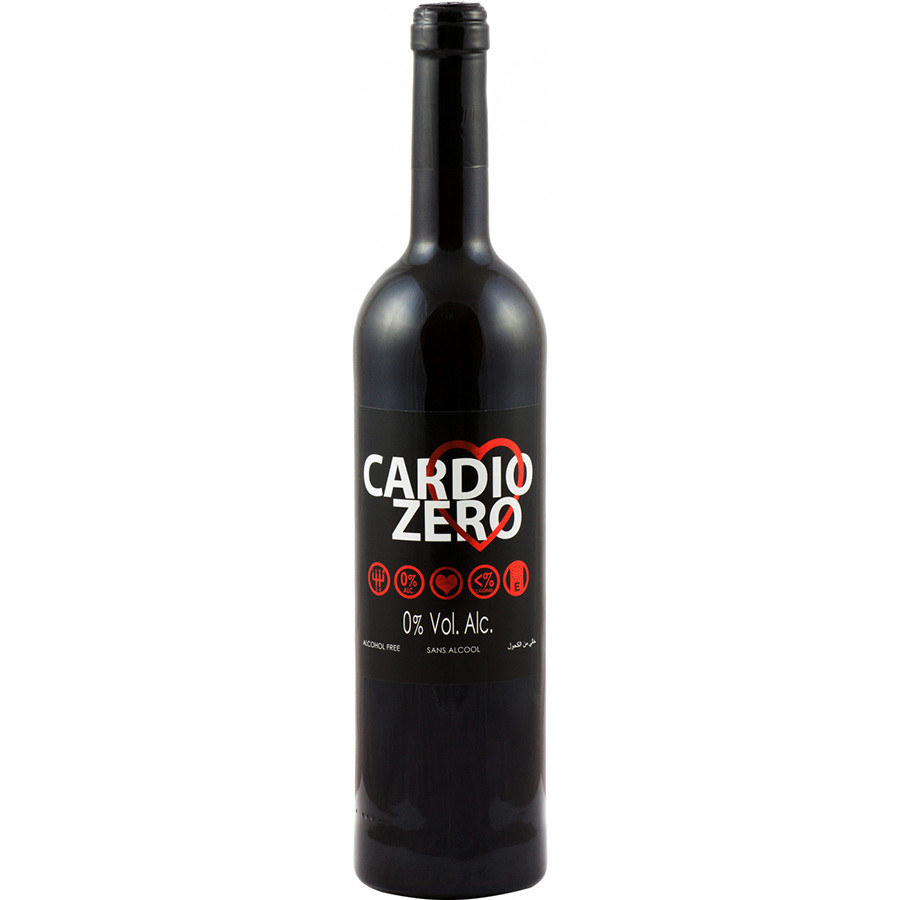
Elivo Cardio Zero Red (0.0% Red, Spain) — Best for Braises & Sauces
A dry, balanced red with ripe dark-fruit notes and zero sugar — excellent for braises, stews, ragù, and tomato-based sauces. It adds the savory depth and color a recipe wants from red wine, without the alcohol.
Shop Elivo Cardio Red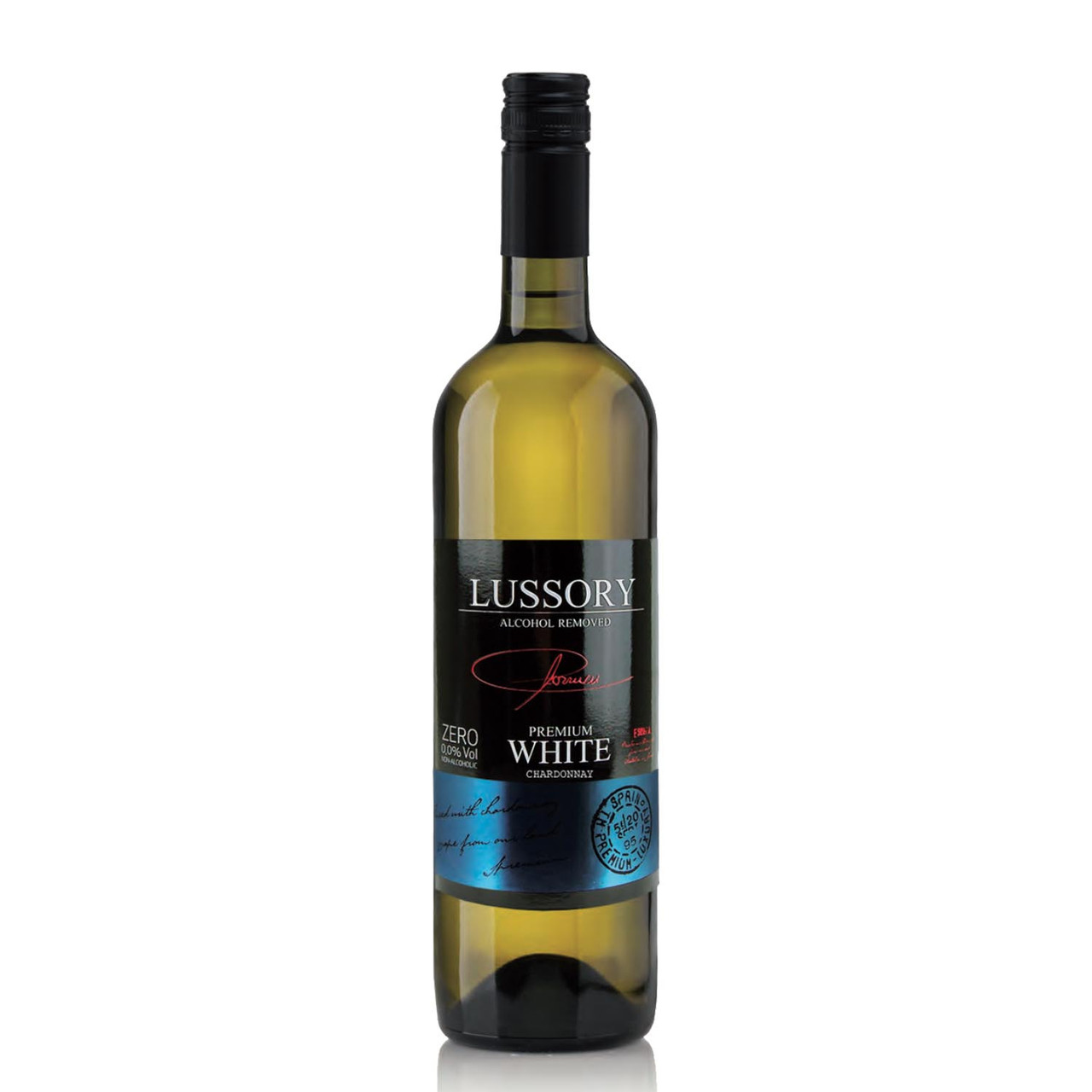
Lussory Premium Chardonnay (0.0% White, Spain) — For Richer Dishes
A fuller-bodied Chardonnay with apple, citrus, and a touch of vanilla — lovely in creamy sauces, chicken dishes, and anything that wants a rounder white-wine note. An organic version is available too.
Shop Lussory ChardonnayKeep one dry white and one dry red 0.0% on hand and you're ready for almost any recipe. Not sure where to start? A sampler set lets you find your favorites, or browse the full shop for moms.
Is It Safe to Cook With Non-Alcoholic Wine During Pregnancy?
Yes — when you use a verified 0.0% ABV wine. Because there's no alcohol in the bottle, there's nothing to worry about cooking off. This is actually safer than cooking with regular wine, since (as noted above) a meaningful amount of alcohol can survive the cooking process.
The American College of Obstetricians and Gynecologists (ACOG) and the American Pregnancy Association agree there's no established safe amount of alcohol in pregnancy — so a 0.0% wine takes the guesswork out of the recipe. Just double-check the label says 0.0%, not simply “dealcoholized” or “<0.5%.” For more, see our guides on the difference between 0.0% and 0.5% and whether non-alcoholic wine is safe during pregnancy.
Key Takeaways
- ✔ Yes, you can cook with non-alcoholic wine — it's one of the closest substitutes because it's real wine minus the alcohol.
- ✔ Substitute roughly 1:1, matching dry white to white dishes and dry red to red dishes.
- ✔ It's often slightly sweeter, so balance with a splash of vinegar or lemon if a savory dish needs acidity.
- ✔ Alcohol doesn't fully cook off regular wine — so a 0.0% wine is the safest choice for pregnant and nursing cooks.
- ✔ Choose a dry, zero-sugar 0.0% like Elivo Cardio for savory cooking; keep one white and one red on hand.
- ✔ Use code TAKE15 for 15% off your first order at Wines for Mothers.
FAQs — Cooking With Non-Alcoholic Wine
Can you use non-alcoholic wine instead of regular wine in cooking?
Yes. Non-alcoholic wine is one of the closest substitutes for regular wine in cooking because it keeps wine's acidity, aroma, and flavor. Substitute it roughly 1:1, matching a dry white to white-wine dishes and a dry red to red-wine dishes.
Does the alcohol cook off if I use regular wine instead?
Not entirely. Contrary to popular belief, a meaningful amount of alcohol can remain even after long cooking — roughly 40% after 15 minutes and about 5% after 2.5 hours. That's why a verified 0.0% wine is the safest choice during pregnancy: there's no alcohol to leave behind.
What kind of non-alcoholic wine is best for cooking?
Choose a dry 0.0% wine with clean acidity and low sugar — a dry white for cream sauces, seafood, and risotto, and a dry red for braises, stews, and tomato sauces. A zero-sugar option like Elivo Cardio is ideal so it won't make savory dishes too sweet.
Is non-alcoholic wine too sweet for savory cooking?
It can be slightly sweeter than regular wine. If a savory dish tastes too sweet, add a small splash of white or red wine vinegar or lemon juice to restore acidity. Choosing a dry, zero-sugar 0.0% wine helps avoid this entirely.
Can I cook with non-alcoholic wine while pregnant?
Yes — as long as it's verified 0.0% ABV, it's completely safe, and actually safer than cooking with regular wine since no alcohol can be left behind. Just confirm the label says 0.0%, not simply “dealcoholized” or “<0.5%.”
What can I use instead of non-alcoholic wine in a recipe?
If you don't have non-alcoholic wine, stock (for savory depth), white or red wine vinegar diluted with water (for acidity), or grape juice with a splash of vinegar can work depending on the dish. But for the most authentic wine flavor, a dry 0.0% wine is the closest match.
Final Thoughts
Cooking with non-alcoholic wine isn't a compromise — it's often the smarter choice. You get all the acidity, aroma, and depth that wine brings to a dish, with none of the alcohol that never fully cooks off anyway. For pregnant and nursing cooks especially, a verified 0.0% bottle turns a worry into a non-issue.
Keep a dry white and a dry red 0.0% in the pantry, substitute 1:1, taste as you go — and pour yourself a glass of the same bottle while dinner simmers. Explore all our 0.0% wines or browse the full shop for moms.
Related Reading
- Non-Alcoholic Wine vs Grape Juice: Key Differences
- Best Non-Alcoholic Red Wines for Pregnancy
- Best Non-Alcoholic White Wines for Pregnancy
- Difference Between 0.0% and 0.5% Zero-Proof Wine
- Is Non-Alcoholic Wine Safe During Pregnancy?
- Dealcoholized Wine Explained
- Best Non-Alcoholic Wine Brands to Try
- Best Non-Alcoholic Wines for Pregnant & Nursing Mothers