
Planning a babymoon or simply navigating pregnancy often brings a new level of awareness to everyday choices, including what you drink. Many expecting mothers look for alternatives that allow them to enjoy familiar moments while staying safe and comfortable.
Non-alcoholic wine has become a popular option, offering a way to experience wine without alcohol. However, not all alcohol-free wines are the same. Differences in alcohol content, sugar levels, and ingredients can significantly affect what is suitable during pregnancy.
Understanding these differences helps you make better decisions for both safety and overall comfort. In this article, we discuss whether non-alcoholic wine is safe during pregnancy, how to choose 0.0% options, and the best styles and products to consider.
Is Non-Alcoholic Wine Safe During Pregnancy?
The answer depends on the alcohol content. Some wines labeled “non-alcoholic” may still contain up to 0.5% alcohol.
According to medical guidance on alcohol and pregnancy, avoiding alcohol entirely is recommended, which makes 0.0% options the safer choice.
- 0.0% alcohol: Completely alcohol-free
- 0.5% alcohol: Trace amounts present
For pregnancy, choosing clearly labeled 0.0% wines is the most reliable option.
How Non-Alcoholic Wine Is Made (And Where Trace Alcohol Can Exist)
Most people assume non-alcoholic wine is created without alcohol from the start. In reality, it begins just like traditional wine. Grapes are fermented, and only after that process is complete, the alcohol is carefully removed.
Producers use a few different techniques to preserve the original taste and aroma as much as possible:
- Spinning cone technology separates aroma compounds first, removes alcohol, then blends flavors back together.
- Reverse osmosis filters out alcohol while retaining key flavor elements.
- Vacuum distillation removes alcohol at lower temperatures, helping protect delicate notes.
For sparkling styles, carbonation is added afterward to restore that familiar crisp and refreshing texture.
Here’s where things can feel slightly confusing. Some beverages labeled “non-alcoholic” may still contain up to 0.5% ABV. That’s why checking the exact number on the label matters more than relying on the category name alone.
If your goal is complete avoidance, choosing bottles labeled 0.0% ABV is the safest approach.
Understanding Labels and What They Really Mean
In the United States, wines at or below 7% ABV follow food-style labeling rules. This means you’ll often see ingredient lists and nutrition panels, which can make things feel a bit more transparent for shoppers.
The Alcohol and Tobacco Tax and Trade Bureau (TTB) provides guidance on labeling standards, while the FDA Compliance Policy explains terms such as “dealcoholized,” “alcohol-removed,” and “non-alcoholic.”
For a broader understanding of alcohol exposure during pregnancy, the National Institute on Alcohol Abuse and Alcoholism (NIAAA) offers helpful, science-based information.
Practical Tips When Choosing Non-Alcoholic Wine During Pregnancy
By this point, the choices usually feel less overwhelming. You don’t need to memorize everything—just focus on a few key details.
- Choose your number: If you want to avoid alcohol completely, look for 0.0% ABV on the label or product page.
- Prefer transparency: Products with ingredient and nutrition panels can help you make more confident decisions.
- Match the style: Dry sparkling wines pair well with meals, while rosé works beautifully for lighter, celebratory moments.
- Stay informed: If you have any concerns, the CDC pregnancy alcohol guide is a simple and reliable starting point.
A small note worth keeping in mind—pregnancy can sometimes make you more sensitive to ingredients. Some non-alcoholic wines include added botanicals, flavorings, or colorings, so it’s always a good idea to review labels and choose simpler formulations when possible.
A Thoughtful Gesture That Means More Than You Think
During pregnancy, even small gestures can feel more meaningful. A quiet dinner, a shared moment, or a simple surprise can create lasting memories.
For many partners, gifting non-alcoholic wine has become a thoughtful way to stay connected to those familiar experiences. It allows expecting mothers to still feel included in celebrations without compromising safety.
It is less about replacing wine and more about preserving the feeling of the moment.
Not All Alcohol-Free Wines Are the Same
Alcohol-free wine varies widely. Some options are overly sweet, while others are carefully crafted to mimic traditional wine structure.
For example, 0.0% sparkling wines are often lighter and more balanced, making them ideal for special moments.
Sugar Content and Health Considerations
| Drink | Sugar | Calories | Impact |
|---|---|---|---|
| Mocktails | High | High | Less Ideal |
| Juice | Very High | High | Avoid Often |
| 0.0% Wine | Low | Low | Better Choice |
For more details, see understanding alcohol levels and health impact.
Elegant Ways to Celebrate Without Alcohol
Celebration does not disappear during pregnancy. It simply changes form.
- Use proper glassware
- Serve chilled sparkling wine
- Create small rituals like sunset drinks
- Pair with light meals
These small details recreate the experience in a more intentional way.
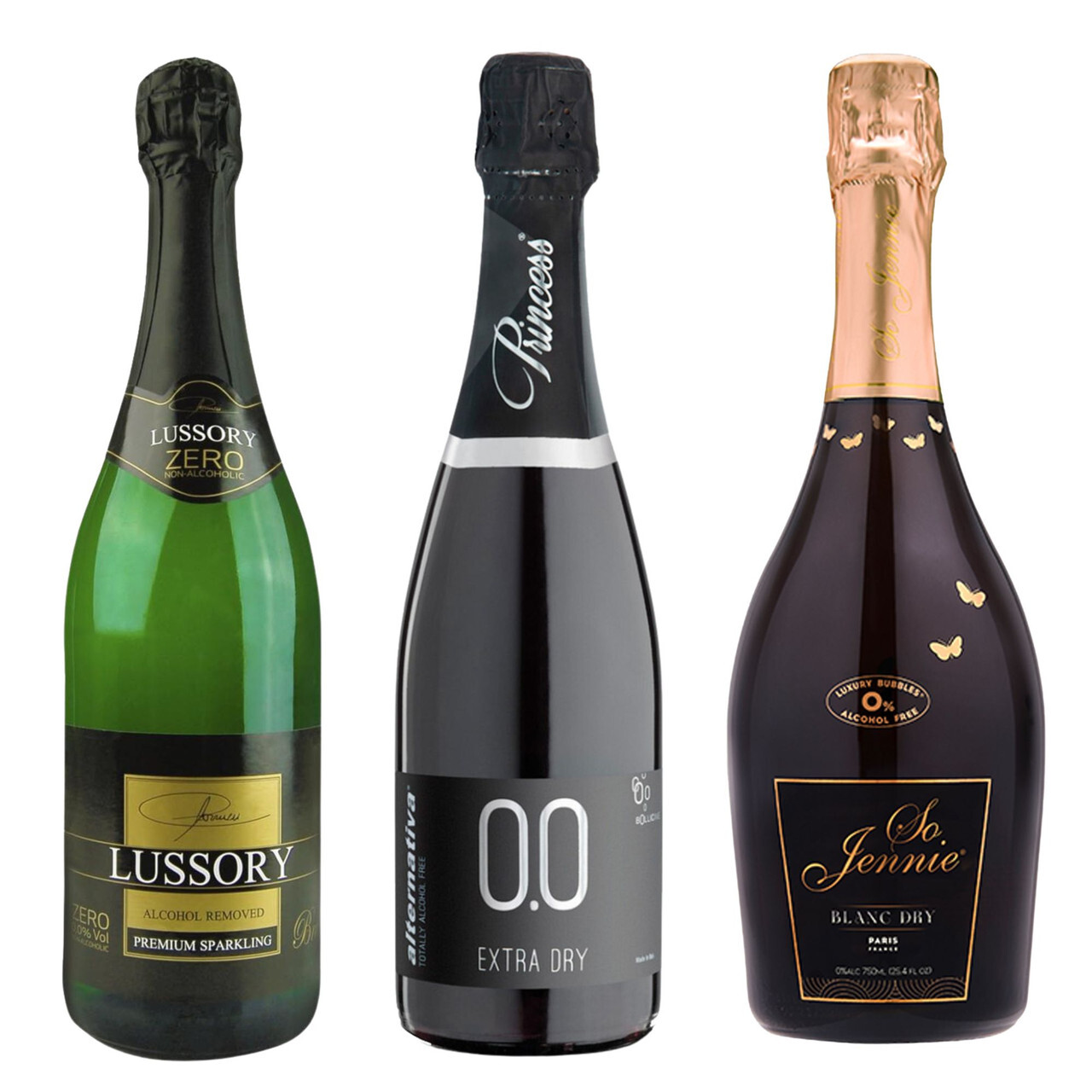
Perfect Celebration Set
Champagne Assortment (3 Bottles)
Premium sparkling options ideal for special moments. Many of these bundles are currently on sale.
View Product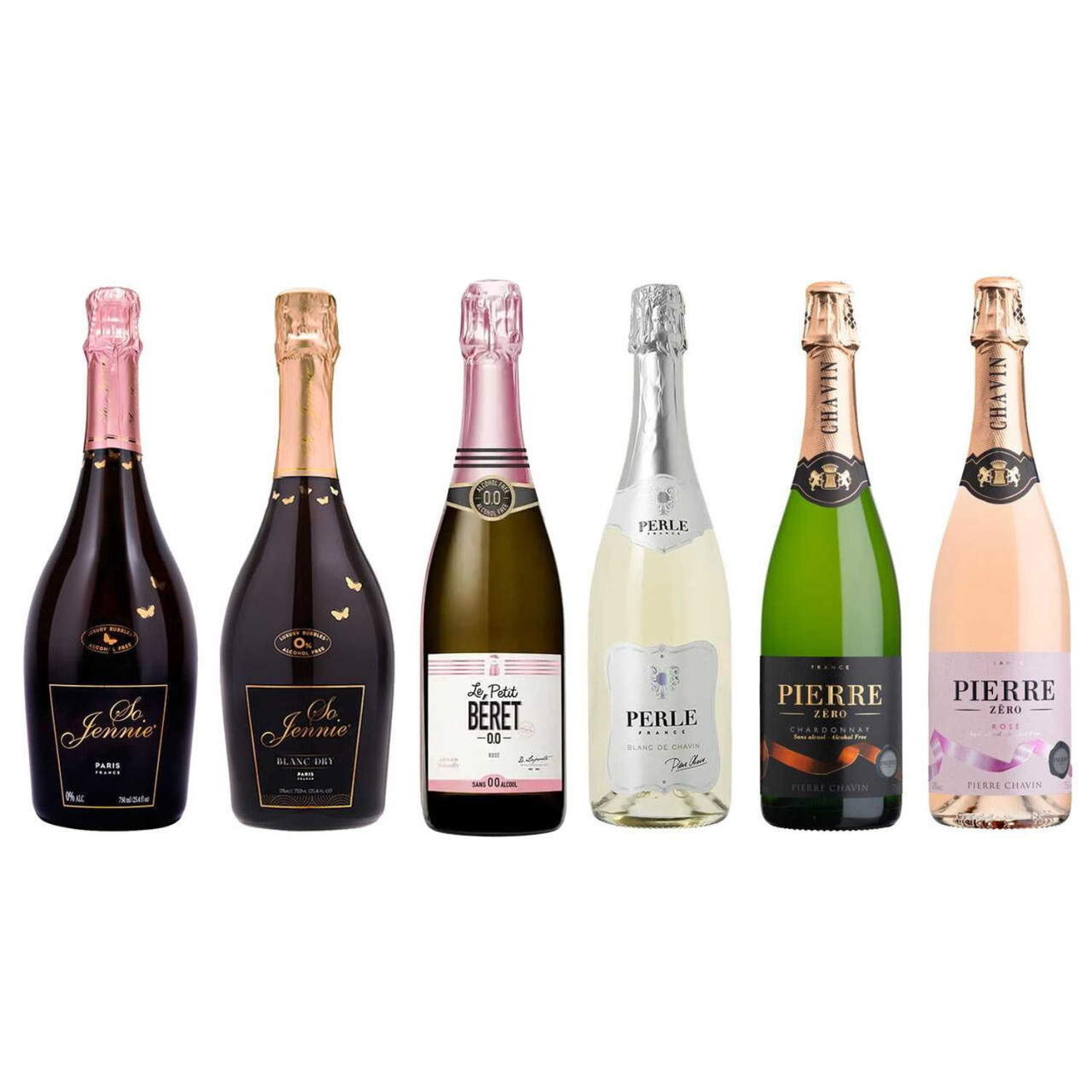
Perfect Gift for New Moms
Celebratory Champagne Set
A meaningful gift designed for pregnancy-safe celebrations.
Explore Set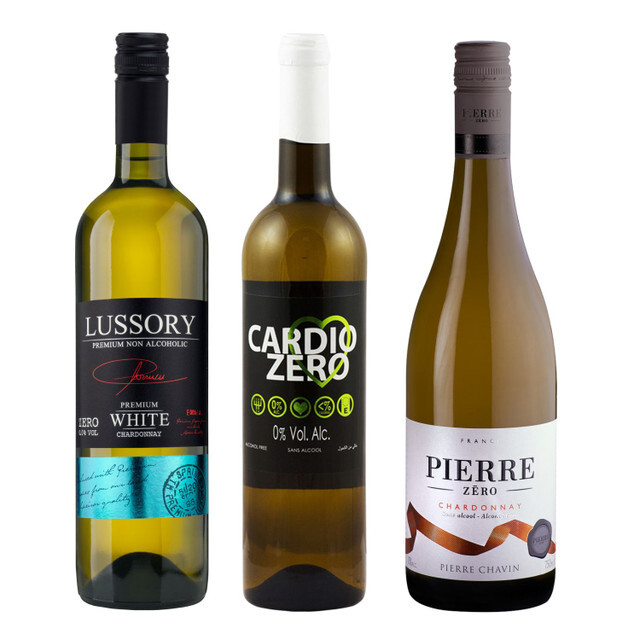
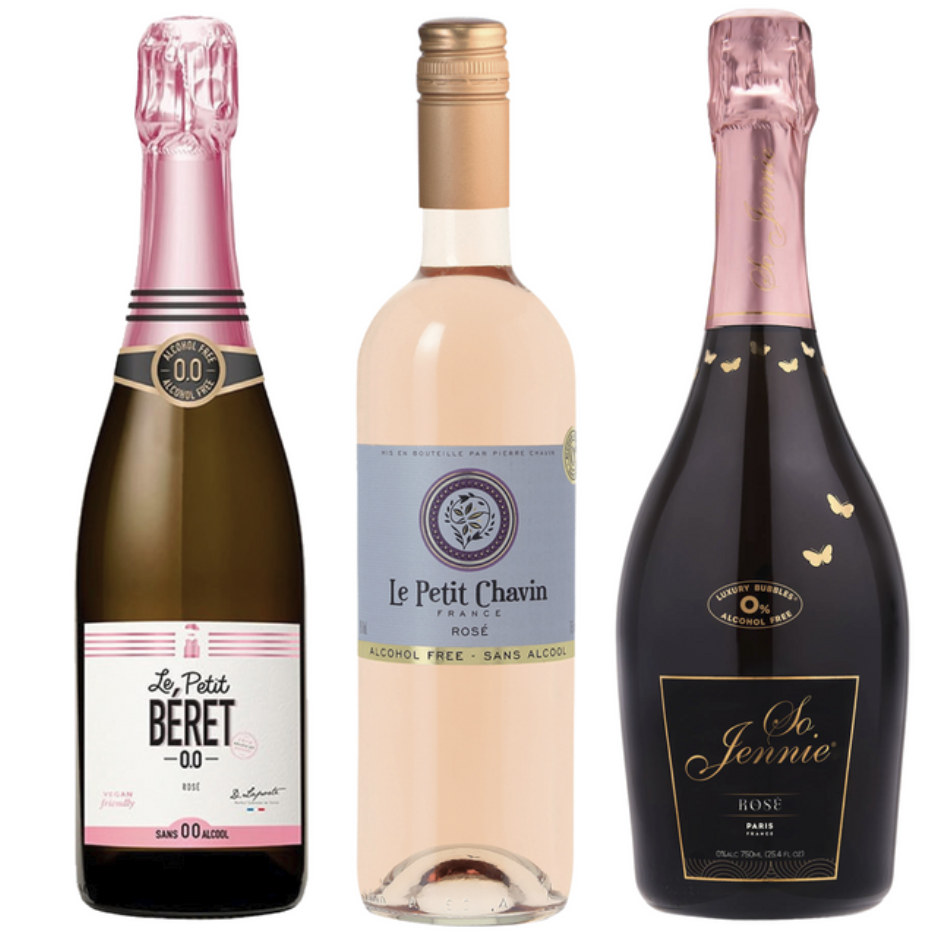
How to Choose the Right Option
- Always choose 0.0% alcohol
- Check sugar levels
- Choose trusted brands
- Keep ingredients simple
Explore pregnancy safe non alcoholic wines for curated options.
Frequently Asked Questions
Can pregnant women drink non-alcoholic wine?
Yes, if it is 0.0% alcohol.
Is 0.5% alcohol safe?
Experts recommend avoiding even small amounts.
Explore Pregnancy Safe Wines
Explore CollectionMedical Disclaimer: This content is for informational purposes only. Always consult your healthcare provider before making dietary decisions during pregnancy.