
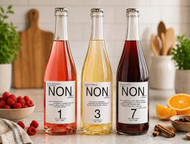
Can You Cook With Non-Alcoholic Wine While Pregnant? (Yes — Here's Exactly How)
You're standing at the stove, recipe card propped open, and there it is — "add ½ cup of white wine." You pause. You're pregnant. And the question that flickers through your mind is one almost every expectant cook has asked:
Does alcohol actually cook off? Is the dish safe by the time it hits the table?
The honest, research-backed answer might surprise you — and it's exactly why this article exists.
Cooking with wine during pregnancy is a topic full of well-meaning but incomplete advice. The truth is that alcohol does not fully evaporate during cooking, and for an expecting mother, that matters. But — and here's the good news — you don't have to sacrifice a single recipe. You just need a smarter swap. One that delivers every drop of flavor, none of the risk, and honestly, a cleaner, brighter result in the pan.
Welcome to cooking with 0.0% non-alcoholic wine.
The Myth That Needs to End
Let's settle this properly, because the "it all cooks off" belief is genuinely widespread — and genuinely wrong.
A landmark study on alcohol retention in cooked food, cited by the USDA Nutrient Data Laboratory, found that alcohol retention during cooking is far higher than most people assume. Here's what the data actually shows:
| Cooking Method | Time | Alcohol Retained |
|---|---|---|
| Flambéed | Immediate | ~75% |
| Simmered | 30 minutes | ~35% |
| 1 hour | Cooked | ~25% |
| Slow-cooked | 2.5 hours | ~5% |
Most everyday recipes — a white wine pasta sauce, a quick risotto, a pan sauce for chicken — are cooked for 10 to 30 minutes. That means a significant fraction of the original alcohol is still present in the dish when it reaches your plate.
The American College of Obstetricians and Gynecologists (ACOG) is unambiguous on this: there is no known safe level of alcohol during pregnancy. No amount has been established as safe, and no trimester is exempt. That applies to drinking wine, yes — but it logically extends to wine used in cooking that hasn't fully evaporated.
This isn't about fear. It's about having accurate information so you can make the best decision for yourself and your baby. And once you know, the fix is simple: swap regular wine for an equally delicious 0.0% bottle — and cook with complete peace of mind.
For a full picture of non-alcoholic wine safety during pregnancy, read: Is Non-Alcoholic Wine Safe During Pregnancy?
Why Non-Alcoholic Wine Works Brilliantly
Here's what some cooks get wrong: they assume wine's role in cooking is tied to its alcohol content. It isn't.
When you add wine to a hot pan, what you're actually adding is acidity, depth, and grape-derived complexity — tannins in red wine that soften and deepen sauces, natural acids in white wine that brighten cream and lift the flavor of fish or chicken. The alcohol itself burns off (partially, as we've established) or gets cooked away — but it's never the point of adding wine to a dish.
Non-alcoholic wine contains all the same grape-derived compounds: the polyphenols, the natural acids, the flavor complexity that makes wine such a brilliant cooking ingredient. What it doesn't contain is ethanol. So you get everything that actually matters — and nothing that causes concern.
There's also a surprising bonus: because non-alcoholic wine isn't carrying alcohol's sharp astringency, its grape flavor is often cleaner and more concentrated in the final dish. Many home cooks find that sauces made with non-alcoholic wine have a more rounded, softer flavor profile than those made with conventional wine. That's a win, not a compromise.
And while we're at it — we want to also address a question that comes up alongside cooking: what about eating and drinking in general during pregnancy? If you've ever wondered about coffee, sushi, or wine at the table (not just in the pan), our article Are Coffee, Wine and Sushi OK in Pregnancy? covers it all in detail.
Cooking With 0.0% Red Wine
Red wine in cooking is a powerhouse. It adds body, earthiness, and a subtle fruit-forward richness that transforms ordinary dishes into something slow-cooked and layered. Tannins in red wine react with proteins during cooking, creating the deep, savory depth you find in a proper Bolognese or a long-braised beef stew.
Our 0.0% Non-Alcoholic Red Wine collection is crafted to bring exactly those qualities to your cooking — minus any concern about alcohol retention.
→ Browse the Non-Alcoholic Red Wine Collection
Best Dishes for Non-Alcoholic Red Wine
Classic Beef Bolognese Add ¾ cup of non-alcoholic red wine after browning the meat, before the tomatoes go in. Let it reduce for 8–10 minutes. The result is a deeply savory, wine-braised sauce that tastes like it took all day — because the wine, not the clock, is doing the work.
Slow-Braised Beef or Lamb Stew Deglaze the pot with non-alcoholic red wine after browning your meat and vegetables. It lifts every caramelized bit from the pan and becomes the flavor foundation of your braise. Use a full cup and let it reduce by half before adding stock.
French Onion Soup A splash of non-alcoholic red wine during the long caramelization of onions deepens the flavor dramatically. Add it in the last 5 minutes of caramelizing, let it absorb completely, and taste the difference.
Mushroom Risotto Northern Italian tradition says add red wine to the toasted rice before the broth — it creates a deep, wine-stained color and a savory base layer. Non-alcoholic red wine does this identically. Start there, then add your warm broth, ladle by ladle.
Red Wine Reduction Sauce (for steak or roasted vegetables) A simple non-alcoholic red wine reduction with a knob of butter, shallots, and fresh thyme creates an elegant pan sauce in under 10 minutes. Reduce it until syrupy, swirl in cold butter, serve immediately.
Cooking With 0.0% White Wine
White wine in cooking is the workhorse of weeknight dinners. Its acidity brightens cream sauces, its delicate fruitiness complements fish and chicken, and its natural structure gives risotto the clean, elegant base it's famous for. Without it, many classic dishes fall slightly flat — even when every other ingredient is right.
Our 0.0% Non-Alcoholic White Wine collection delivers that same crisp, grape-forward brightness — and it behaves identically in the pan.
→ Browse the Non-Alcoholic White Wine Collection
Best Dishes for Non-Alcoholic White Wine
White Wine Risotto (Risotto Bianco) This is the quintessential white wine cooking application. Toast your Arborio rice dry in butter, then add a generous splash of non-alcoholic white wine and stir until absorbed — this is the moment that sets the flavor baseline for the entire dish. Then add warm broth, ladle by ladle. The result is lighter, more acidic, and more complex than risotto made with broth alone.
Chicken Piccata This dish is built on a white wine-lemon-caper sauce, and non-alcoholic white wine is a flawless substitute. Deglaze the pan with ½ cup after the chicken is cooked, add lemon juice and capers, finish with butter. Clean, bright, and pregnancy-safe.
Shrimp Scampi Add non-alcoholic white wine to the pan right after the shrimp turns pink — it creates a silky, garlic-butter emulsion that defines the dish. The acidity of the wine keeps it from feeling heavy.
Steamed Clams or Mussels If shellfish is on your approved list (always confirm with your OB during pregnancy), a white wine and shallot broth is the only proper way to steam them. Non-alcoholic white wine creates the same light, aromatic steam bath.
Cream Sauces for Pasta Add ¼ cup of non-alcoholic white wine to the pan before your cream. Let it reduce for 2 minutes. This single step creates a depth and complexity that cream alone simply can't produce. It's the difference between a flat cream sauce and one with personality.
Featured Product: NON Everyday Sampler Set
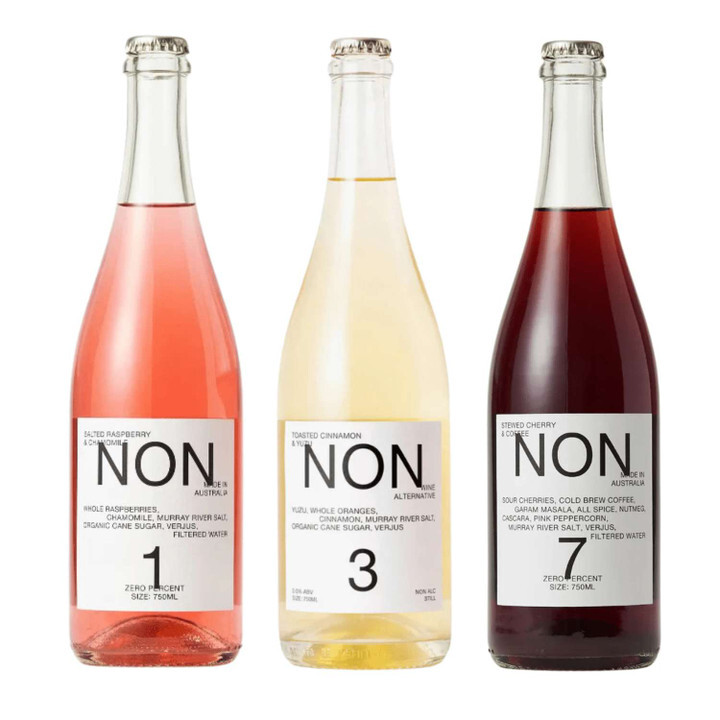
NON Everyday Sampler Set
If you want to take pregnancy cooking somewhere genuinely exciting — beyond the standard red-or-white decision — the NON Everyday Sampler Set (NON 1, NON 3, NON 7) is something different altogether.
8 Practical Rules for Cooking With Non-Alcoholic Wine During Pregnancy
1. Substitute 1:1. Non-alcoholic wine is a direct, equal swap in every savory recipe. Half a cup of wine called for? Use half a cup of non-alcoholic wine. No adjustment needed.
2. Only cook with wine you'd drink. The old rule applies. A quality non-alcoholic wine produces a quality result. A cheap, artificially flavored alternative won't.
3. Reduce slightly longer for concentrated flavor. Without alcohol's rapid evaporation, you may find non-alcoholic wine benefits from an extra 2–3 minutes of reduction time to concentrate in a sauce. Watch and taste.
4. Add it at the right moment. Wine goes in after browning aromatics or meat, before stock or cream. Non-alcoholic wine follows the same rule — same timing, same technique.
5. White for delicate; red for bold. This is universal. White wine for fish, chicken, seafood, cream, lighter pastas. Red wine for beef, lamb, hearty stews, tomato-based sauces, mushrooms.
6. Refrigerate after opening. Without alcohol as a natural preservative, non-alcoholic wine should be refrigerated once opened and used within 3–5 days. Treat it like fresh juice — because in many ways, it is.
7. Use the same bottle for sipping and cooking. There's no rule that says your cooking wine and drinking wine need to be different. Pour yourself a glass of the same bottle you're using in the recipe — it's a small, meaningful ritual that makes cooking feel like a celebration rather than a restriction.
8. Trust your palate. Non-alcoholic wine's flavor can be more grape-forward and concentrated than its alcoholic counterpart. If a sauce tastes too fruit-forward before it's fully cooked down, add a small splash of stock and keep reducing. Taste as you go.
When Should You Use Broth Instead?
Non-alcoholic wine works in the vast majority of wine-based recipes — but there are a few situations where another substitute makes more sense:
If wine is being used purely as a moisture addition rather than a flavor element (rare, but it happens in some baked dishes), chicken or vegetable broth is a simpler and equally effective swap.
In very short cooking applications — say, a 3-minute pan sauce — non-alcoholic wine may not reduce fully and can taste slightly more grape-forward than expected. In these cases, use two parts non-alcoholic wine to one part broth, or deglaze with broth and add a small splash of non-alcoholic wine at the end for flavor.
For baked goods that occasionally call for wine (an unusual but real occurrence in some Italian dessert breads or cakes), white grape juice or apple juice are better matches for texture and sweetness.
Final Thoughts
Pregnancy changes a lot of things. Your kitchen doesn't have to be one of them.
Every recipe you loved before — the slow Sunday Bolognese, the quick weeknight shrimp scampi, the risotto that takes patience and warmth and a glass of something in hand while you stir — all of it is still yours. You don't have to simplify your cooking or skip the flavors that make a dish worth making.
You just need the right bottle on the counter.
Non-alcoholic wine in the kitchen isn't a compromise or a workaround. It's a genuinely smart, flavorful choice that happens to also be completely safe for pregnancy. And as any good cook knows: the best ingredients aren't always the obvious ones.
Explore our full range of 0.0% Non-Alcoholic Wines for Moms — and bring every recipe back to life.
FAQs — Everything You've Wondered About Cooking With Non-Alcoholic Wine While Pregnant
Does alcohol really not cook off completely?
It doesn't — not in the time most recipes take. Research consistently shows that short-cooked dishes (10–30 minutes) retain 35–40% of their original alcohol content. Even dishes simmered for an hour can retain 25%. For a pregnant cook, switching to 0.0% non-alcoholic wine removes this concern entirely and permanently. See also: Are Coffee, Wine and Sushi OK in Pregnancy?
Can non-alcoholic wine replace regular wine in any savory recipe?
In virtually every savory recipe, yes — without any adjustment to quantities or technique. The grape-derived acids, tannins, and natural flavor compounds behave identically during cooking. The absence of ethanol doesn't affect the flavor development that wine is actually prized for.
Does the dish taste different when made with non-alcoholic wine?
Often in a pleasant way. Non-alcoholic wine tends to produce a softer, more fruit-forward result, because the sharp edge of alcohol is absent. Most people who eat dishes cooked with non-alcoholic wine can't tell the difference — and some prefer it.
Which non-alcoholic wine is best for everyday cooking?
For savory dishes, the 0.0% Non-Alcoholic Red Wine and 0.0% Non-Alcoholic White Wine from Wines for Mothers are ideal staples. For more creative cooking, the NON Everyday Sampler Set offers genuinely exciting flavor combinations that go beyond what conventional wine can offer.
Is it safe to drink non-alcoholic wine while cooking with it?
Absolutely — and we'd encourage it. Pouring yourself a glass of the same 0.0% wine you're cooking with brings back the ritual and joy of kitchen time. Read more about safety: Is Non-Alcoholic Wine Safe During Pregnancy?
Wines for Mothers carries only 0.0% ABV non-alcoholic wines, curated specifically for pregnant, nursing, and mindful moms. Questions about what's safe during pregnancy? Always consult your OB-GYN or midwife for personalized guidance.
Related Reading
- Is Non-Alcoholic Wine Safe During Pregnancy? — Your complete safety guide
- Are Coffee, Wine and Sushi OK in Pregnancy? — The full truth about common pregnancy food questions
- The Best Pregnancy Wines — Our Top Picks — What to sip (and cook with) right now
- Shop 0.0% Non-Alcoholic Red Wine
- Shop 0.0% Non-Alcoholic White Wine
- NON Everyday Sampler Set (NON 1, NON 3, NON 7)