“Alcohol-free.” “Non-alcoholic.” “De-alcoholized.” “0.0%.” If you're pregnant and standing in front of a shelf of these bottles, the labels can feel like a foreign language — and the stakes feel high enough that you want to get it exactly right.
So let's translate. There's a real gap between what marketing means by “alcohol-free” and what a doctor means by it — and understanding that gap is the single most useful thing you can do in this category. This guide lays out how medical professionals and regulators actually define these terms, so you can read any label with confidence.
If you're new to the category, our guides on whether non-alcoholic wine is safe in pregnancy and what wine pregnant women can drink pair well with this one.
Legally, a drink can be labeled “alcohol-free” or “non-alcoholic” if it contains up to 0.5% ABV — so those words don't always mean zero. Medically, doctors advise that no amount of alcohol is established as safe in pregnancy, which is why the truly reassuring standard is 0.0% ABV: no measurable alcohol at all. When a label says “0.0%,” that's the one that removes all doubt. Every wine at Wines for Mothers is verified 0.0% ABV.
The Terms, Decoded
Here's what each label term actually means — legally and practically.
| Term | What It Usually Means | Contains Alcohol? |
|---|---|---|
| 0.0% ABV | No measurable alcohol | No — none |
| Alcohol-free | Legally up to 0.5% ABV | Possibly a trace |
| Non-alcoholic | Legally up to 0.5% ABV | Possibly a trace |
| De-alcoholized | Had alcohol removed; trace may remain | Often a trace |
| Low-alcohol | Reduced, but not removed | Yes |
| Zero proof | Marketing term, varies | Check the number |
The pattern is clear: the words are flexible, but the number is not. “0.0% ABV” is the only term that guarantees no measurable alcohol.
The 0.5% ABV threshold that defines “non-alcoholic” in the US traces back to the Prohibition era — it was set to define what counted as an “intoxicating” beverage, not to answer any question about pregnancy. That's why doctors treat “under 0.5%” as a legal label, not a medical clearance.
What Doctors Actually Say About Alcohol in Pregnancy
Major health authorities are consistent and clear on this point:
The American College of Obstetricians and Gynecologists (ACOG) advises that there is no known safe amount of alcohol during pregnancy, and recommends avoiding it entirely. The CDC similarly states that there is no known safe amount, no safe time, and no safe kind of alcohol during pregnancy — and notes that fetal alcohol spectrum disorders are completely preventable when alcohol is avoided. The American Pregnancy Association echoes this guidance.
This is exactly why the medical definition of “alcohol-free” is stricter than the marketing one. When your doctor says “avoid alcohol,” the cleanest way to honor that is a drink with 0.0% — not one that's merely under a legal threshold. For more on choosing wisely, see how to choose pregnancy-safe wines and our guide for nursing mothers.
The Key DistinctionA useful way to think about it: “non-alcoholic” is a marketing category; “0.0%” is a measurement. One tells you how a product is sold; the other tells you what's actually in the glass. In pregnancy, you want the measurement.
Why the 0.5% Trace Exists at All
You might wonder how a “non-alcoholic” wine ends up with any alcohol in it. Two reasons:
1. De-alcoholization isn't always total. Many non-alcoholic wines are made by fermenting real wine, then removing the alcohol. That removal process is very effective but not always perfect — a tiny trace can remain, which is where “up to 0.5%” comes from. Learn more in dealcoholized wine explained and how non-alcoholic wine is made.
2. Trace alcohol is everywhere. Small amounts of alcohol occur naturally in ordinary foods through fermentation — ripe bananas, bread, and some fruit juices all contain traces. This is part of why regulators set the threshold at 0.5% rather than an impossible absolute zero for everything. Our wine vs grape juice guide explores how fermentation shapes what's in your glass.
The good news: some producers do achieve a true 0.0%, either by removing alcohol completely or by never fermenting in the first place — like the sparkling wines featured in our baby shower guide and the rosés in our rosé guide. Those are the wines that satisfy the strict, medical reading of “alcohol-free.” Prefer spirits? Our gin and rum alternatives are 0.0% too.
How to Read a Label Like a Doctor
Four quick habits that take the guesswork out:
✅ Find the number first. Ignore the big front-label words and look for the ABV figure. “0.0%” is your green light.
✅ Treat “non-alcoholic” and “alcohol-free” as “check further.” They may be 0.0%, or they may be up to 0.5%. The words alone don't tell you.
✅ Be cautious with no number at all. If a producer achieved 0.0%, they usually advertise it. Silence often means a trace. See the full 0.0% vs 0.5% guide.
✅ When in doubt, ask your OB or midwife. They can advise on your specific situation — and they'll appreciate that you asked. You can also compare our top picks in the best non-alcoholic wine brands guide.
Wines That Meet the Strict 0.0% Definition
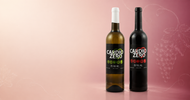
At Wines for Mothers, we only stock the strict version — every bottle verified 0.0% ABV, so you never have to decode a label. Two lovely examples:

Elivo Cardio Zero White (0.0% ABV, Spain)
A crisp, dry Spanish white with citrus, green apple, and mineral notes — verified 0.0% ABV, with zero sugar and zero calories per serving. A clean, everyday choice. Sensitive to additives? See our sulfite-free wines.
Shop Elivo Cardio White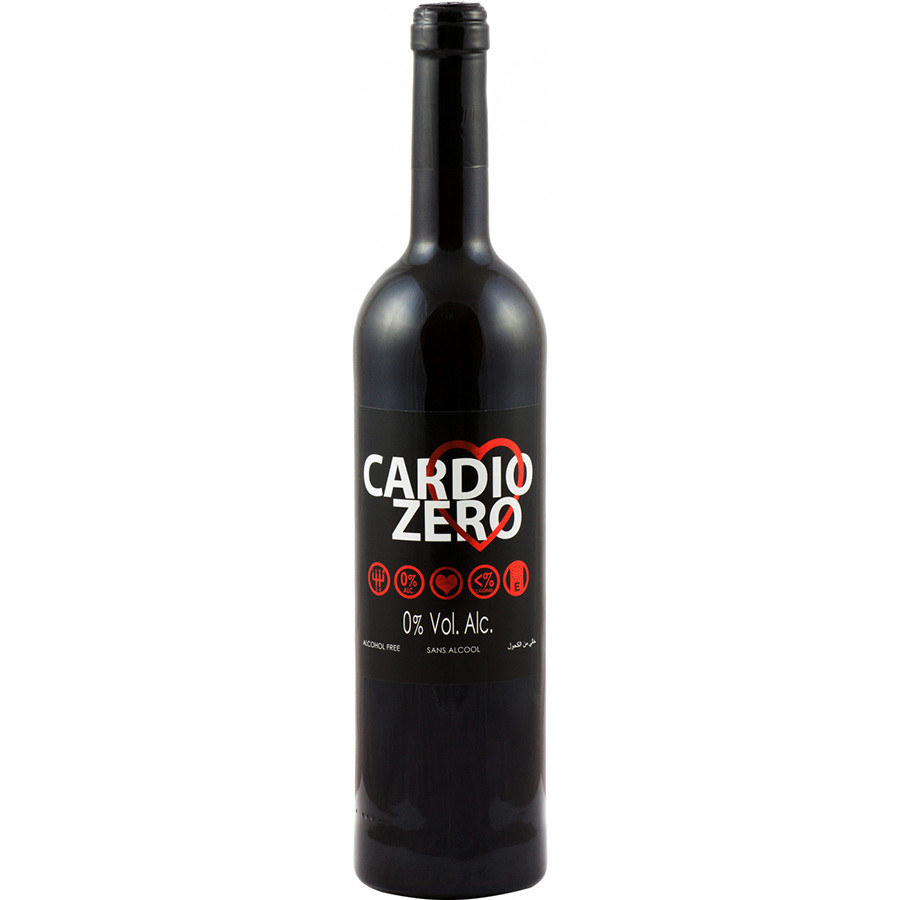
Elivo Cardio Zero Red (0.0% ABV, Spain)
A full-bodied Spanish red with ripe dark fruit, subtle spice, and mineral notes — verified 0.0% ABV, also zero sugar and zero calories. Proof that “0.0%” doesn't mean flavorless.
Shop Elivo Cardio Redreds, whites, rosés, and sparkling — or read the best whites and best reds for pregnancy. New here? Try a sampler set, explore organic options, or browse everything by type. Hosting? See our baby shower and brunch picks.
Key Takeaways
- ✔ Legally, “alcohol-free” and “non-alcoholic” can mean up to 0.5% ABV — not always zero.
- ✔ Doctors (ACOG, CDC, American Pregnancy Association) advise no amount of alcohol is established as safe in pregnancy.
- ✔ The strict, medical-friendly standard is 0.0% ABV — no measurable alcohol.
- ✔ Read the number, not the marketing words — “0.0%” is the guarantee.
- ✔ The 0.5% trace exists because de-alcoholization isn't always total, and trace alcohol occurs naturally in foods.
- ✔ Every wine at Wines for Mothers is verified 0.0% ABV. Use code TAKE15 for 15% off your first order.
FAQs — How “Alcohol-Free” Is Defined in Pregnancy
Does “alcohol-free” mean no alcohol at all?
Not necessarily. Legally, “alcohol-free” and “non-alcoholic” can apply to drinks with up to 0.5% ABV. Only a label that states “0.0% ABV” guarantees no measurable alcohol — which is the standard doctors' advice points toward in pregnancy.
How do doctors define safe alcohol levels in pregnancy?
Major authorities including ACOG and the CDC state there is no known safe amount of alcohol during pregnancy and recommend avoiding it entirely. That's why a verified 0.0% drink, containing no measurable alcohol, is the clearest way to follow that guidance.
What's the difference between “non-alcoholic” and “0.0%”?
“Non-alcoholic” is a legal/marketing category that can include up to 0.5% ABV. “0.0%” is a measurement meaning no detectable alcohol. In pregnancy, the measurement is what matters most.
Why do non-alcoholic wines sometimes contain 0.5% alcohol?
Many are made by removing alcohol from real wine, and that process can leave a tiny trace. Trace alcohol also occurs naturally in everyday foods like ripe fruit and bread. Wines that are truly 0.0% either remove all alcohol or were never fermented.
Is 0.0% wine completely safe in pregnancy?
Verified 0.0% ABV wine contains no measurable alcohol, so it removes the alcohol concern entirely. As with any food or drink choice in pregnancy, it's always wise to confirm with your OB or midwife regarding your individual situation.
How can I be sure a wine is really 0.0%?
Look for “0.0% ABV” clearly stated on the label. If it only says “non-alcoholic” or “less than 0.5%,” assume a trace. Buying from a specialist that stocks only 0.0% products removes the guesswork entirely.
Final Thoughts
The confusion in this category isn't your fault — it's baked into the labels. But once you know the trick, it's simple: the words are marketing; the number is the truth. “Alcohol-free” is a category. “0.0%” is a promise.
When you choose a verified 0.0% wine, you're choosing the strict, medical reading of “alcohol-free” — the one that lets you pour a glass and think about nothing but enjoying it, whether it's a quiet evening or a gender reveal. That's the whole reason we stock nothing else. Explore all our verified 0.0% wines or browse the full shop for moms.
Related Reading
- Is Non-Alcoholic Wine Safe During Pregnancy?
- Difference Between 0.0% and 0.5% Zero-Proof Wine
- Alcohol-Free vs Dealcoholized Wine: 5 Differences
- Dealcoholized Wine Explained
- Non-Alcoholic Wine vs Grape Juice
- What Wine Can Pregnant Women Drink?
- How to Choose Pregnancy-Safe Wines
- Best Wines for Pregnant & Nursing Mothers