
They're both made from grapes. They're both alcohol-free. They both come in a bottle and pour a deep, pretty color into your glass. So it's a fair question — especially when you're pregnant and reading labels carefully: what's actually the difference between non-alcoholic wine and grape juice?
The short answer: quite a lot. One is grape juice; the other is real wine that had its alcohol removed — and that single distinction changes everything about how they taste, how much sugar they contain, and when you'd reach for each.
Here's the honest, side-by-side breakdown, so you can choose the right glass with total confidence. New to alcohol-free options? You might also like our guides to the best non-alcoholic wine brands and the best rosé wines for pregnancy.
The main difference is fermentation. Grape juice is simply pressed grapes — sweet, thick, and high in sugar. Non-alcoholic wine is real wine that was fermented (developing complex, dry, savory flavors and lower sugar) and then had its alcohol removed. So non-alcoholic wine tastes like wine — drier and more sophisticated — while grape juice tastes like sweet juice. Both are pregnancy-safe when the wine is verified 0.0% ABV. Shop 0.0% non-alcoholic wine at Wines for Mothers.
The Core Difference: Fermentation
Everything comes down to one process: fermentation.
Grape juice is made by pressing grapes and bottling the juice. That's essentially it. The natural grape sugars stay in the juice, which is why it's so sweet. It never becomes wine.
Non-alcoholic wine takes a longer road. The grapes are pressed and then fermented — yeast converts the grape sugars into alcohol and, along the way, develops the tannins, acidity, aromas, and savory complexity that make wine taste like wine. Only then is the alcohol gently removed, leaving a dry, sophisticated, low-sugar drink. (Curious how? See our guide on dealcoholized wine and how non-alcoholic wine is made.)
That's the whole story in one line: grape juice never ferments; non-alcoholic wine ferments and then loses its alcohol. If you're curious about the science, our guide to alcohol-free vs dealcoholized wine goes deeper.
Fermentation doesn't just remove sugar — it creates hundreds of new aroma and flavor compounds that don't exist in grape juice. This is why non-alcoholic wine can taste of blackcurrant, oak, spice, or citrus, while grape juice mostly just tastes of… grape. It's also why a dry 0.0% wine has a fraction of the sugar of the same amount of juice.
Non-Alcoholic Wine vs Grape Juice: Side-by-Side
| Factor | Non-Alcoholic Wine | Grape Juice |
|---|---|---|
| Made by | Fermenting, then removing alcohol | Pressing grapes (no fermentation) |
| Taste | Dry, complex, savory, wine-like | Sweet, simple, fruity |
| Sugar | Low (often 2–4g per glass) | High (often 15–20g+ per glass) |
| Calories | Lower (~20–30 / 100ml) | Higher (~60–70 / 100ml) |
| Alcohol | 0.0% (verified) or up to 0.5% | 0.0% |
| Feels like | A grown-up glass of wine | A sweet soft drink |
| Best for | Dinners, toasts, the wine ritual | Kids, quick sweet drink |
1. Taste: Dry & Complex vs Sweet & Simple
This is the difference you notice first. Grape juice is sweet — pleasant, but one-note. Non-alcoholic wine, because it was fermented, is drier and more complex, with the tannins, acidity, and savory depth of real wine. A dealcoholized red can taste of dark fruit and oak; a white of citrus and minerals. That's a world away from juice.
If you miss wine specifically — the dryness, the grown-up feel, pairing it with dinner — grape juice won't scratch that itch, but a good 0.0% wine will. See the best sparkling wines for celebrations, or explore drinks by type.
2. Sugar & Calories: A Big Gap
Because fermentation eats up the grape sugars, non-alcoholic wine has far less sugar than grape juice — often just 2–4g per glass versus 15–20g+ in juice. For pregnant moms watching sugar intake (especially with gestational diabetes concerns), that's a meaningful difference. Non-alcoholic wine is also typically lower in calories. Sensitive to additives? Look for sulfite-free wines or certified organic options.
3. Alcohol & Pregnancy Safety
Both are alcohol-free when chosen correctly — but here's the nuance. Grape juice is always 0.0%. Non-alcoholic wine is usually 0.0%, but some “dealcoholized” wines retain a trace up to 0.5% ABV.
The American College of Obstetricians and Gynecologists (ACOG) and the American Pregnancy Association confirm there's no established safe amount of alcohol in pregnancy — so choose verified 0.0% ABV wine, and you get the wine experience with zero risk. Every product at Wines for Mothers is verified 0.0%. Read more on the difference between 0.0% and 0.5% and whether non-alcoholic wine is safe during pregnancy.
If You Want a Wine (Not Juice), Try These 0.0% Bottles
If it's the wine experience you're after — dry, complex, grown-up — grape juice won't deliver. These verified 0.0% wines will.

Elivo Cardio Zero White (0.0% White, Spain)
A crisp, dry Spanish white made from Verdejo and Airén — bright green apple, citrus, and a clean, mineral finish. Everything grape juice isn't: sophisticated, refreshing, and with zero sugar.
Shop Elivo Cardio White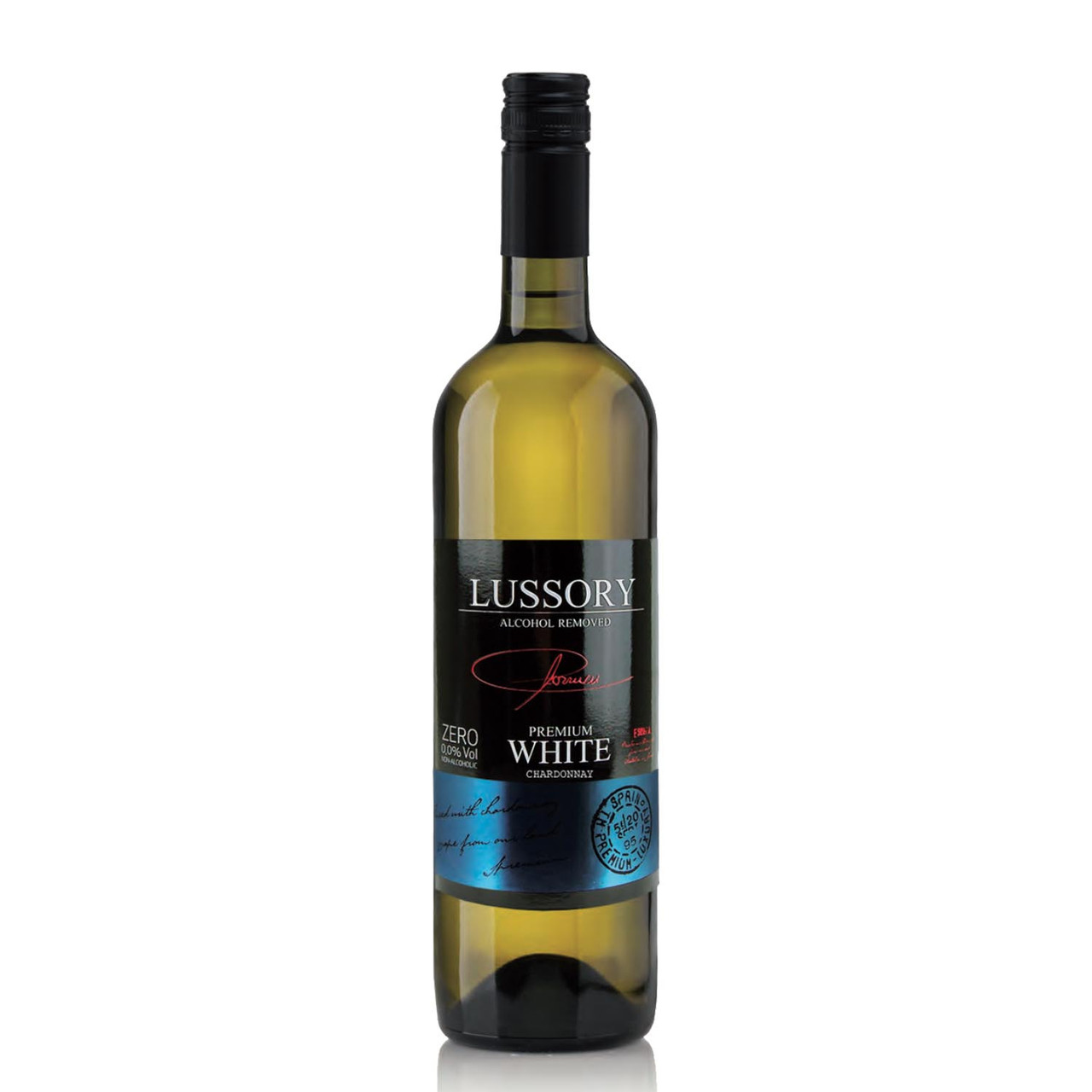
Lussory Premium Chardonnay (0.0% White, Spain)
A fuller-bodied Chardonnay with apple, citrus, and a touch of vanilla — and an organic version available. Real wine character, none of the alcohol.
Shop Lussory ChardonnayBrowse reds, whites, rosés, and sparkling wines — or read the best white wines and best red wines for pregnancy. Not sure? Try a sampler set.
So Which Should You Choose?
Choose non-alcoholic wine if you miss the wine experience — a dry, grown-up glass with dinner, a toast that feels special, lower sugar, and real complexity. It's the closest thing to wine, because it is wine (minus the alcohol). Prefer a spirit-based drink instead? See our non-alcoholic gin guide and rum alternatives.
Choose grape juice if you simply want something sweet and simple, you're serving kids, or you love that pure fruity flavor. There's nothing wrong with juice — it's just a different drink for a different moment. Hosting? A 0.0% wine suits a baby shower or mommy brunch far better than juice.
Many moms keep both on hand: grape juice for a quick sweet sip, and a bottle of 0.0% wine for the evenings when they want to pour a real glass, swirl it, and feel like themselves again. For more, see what wine pregnant women can drink.
Key Takeaways
- ✔ Grape juice is pressed grapes; non-alcoholic wine is fermented wine with the alcohol removed.
- ✔ Fermentation makes wine drier, more complex, and much lower in sugar than juice.
- ✔ Non-alcoholic wine has ~2–4g sugar per glass vs 15–20g+ in grape juice.
- ✔ Both are pregnancy-safe when the wine is verified 0.0% ABV.
- ✔ Choose 0.0% wine for the grown-up wine ritual; grape juice for a simple sweet drink.
- ✔ Use code TAKE15 for 15% off your first order at Wines for Mothers.
FAQs — Non-Alcoholic Wine vs Grape Juice
Is non-alcoholic wine just grape juice?
No. Grape juice is simply pressed grapes and is never fermented. Non-alcoholic wine is real wine that was fermented — developing dry, complex, savory flavors and lower sugar — and then had its alcohol removed. They taste and feel quite different.
Does non-alcoholic wine have less sugar than grape juice?
Yes, significantly. Because fermentation converts grape sugars, non-alcoholic wine typically has just 2–4g of sugar per glass, versus 15–20g or more in grape juice.
Is grape juice or non-alcoholic wine better during pregnancy?
Both are safe when the wine is verified 0.0% ABV. Non-alcoholic wine is better if you want a dry, low-sugar, grown-up wine experience; grape juice is fine for a simple sweet drink. Many moms keep both.
Does non-alcoholic wine taste like grape juice?
No. Non-alcoholic wine tastes like wine — drier, more complex, and savory — because it was fermented. Grape juice tastes sweet and simple. That fermentation step is what separates them.
Can I substitute grape juice for non-alcoholic wine in recipes?
You can, but the result will be sweeter and less complex. For savory dishes, a dry 0.0% wine gives a more authentic, wine-like flavor than grape juice, which can make sauces overly sweet.
Is non-alcoholic wine safe while breastfeeding?
Yes. Verified 0.0% ABV wine contains no alcohol, so it won't affect breast milk and is safe while nursing — just like grape juice.
Final Thoughts
Grape juice and non-alcoholic wine may both start with grapes, but they end up as very different drinks. Juice is sweet and simple; 0.0% wine is dry, complex, lower in sugar, and — because it was truly fermented — genuinely wine-like.
So if you're missing that grown-up glass at the end of the day, you don't have to settle for juice. Reach for a verified 0.0% wine and get the real ritual — the swirl, the aroma, the dry finish — with none of the alcohol. Explore all our pregnancy wines, the best wines for nursing mothers, or browse the full shop for moms.
Shop 0.0% Non-Alcoholic Wine →
Related Reading
- Is Non-Alcoholic Wine Safe During Pregnancy?
- Dealcoholized Wine Explained
- How Non-Alcoholic Wines Are Made
- Difference Between 0.0% and 0.5% Zero-Proof Wine
- Best Non-Alcoholic White Wines for Pregnancy
- Best Non-Alcoholic Red Wines for Pregnancy
- Best Non-Alcoholic Wine Brands to Try
- What Wine Can Pregnant Women Drink?